
Velcro swaddles offer a modern, secure, and user-friendly approach to comforting newborns, utilizing adjustable Velcro fasteners for a snug fit.
These innovative designs simplify the swaddling process, providing parents with a reliable method to soothe fussiness and promote better sleep.
Breathable fabrics and transitional features make Velcro swaddles a popular choice for both newborns and their caregivers seeking peaceful nights.
What is a Velcro Swaddle?
A Velcro swaddle represents a significant evolution in infant sleepwear, offering a streamlined alternative to traditional blanket swaddling techniques. Unlike conventional methods requiring precise folding and tucking, a Velcro swaddle utilizes hook-and-loop fasteners – commonly known as Velcro – to securely wrap and comfort a baby.
These swaddles typically consist of a soft, breathable fabric, often cotton or bamboo, designed to mimic the feeling of being held. The fabric is shaped to allow for easy positioning of the baby, and adjustable Velcro strips are strategically placed to create a snug, yet not restrictive, wrap. This design allows parents to quickly and safely secure their infant, minimizing the risk of loose fabric interfering with sleep.
Velcro swaddles are particularly appreciated for their ease of use, especially for first-time parents, and their ability to provide a consistent and reliable swaddle every time.
Benefits of Using a Velcro Swaddle
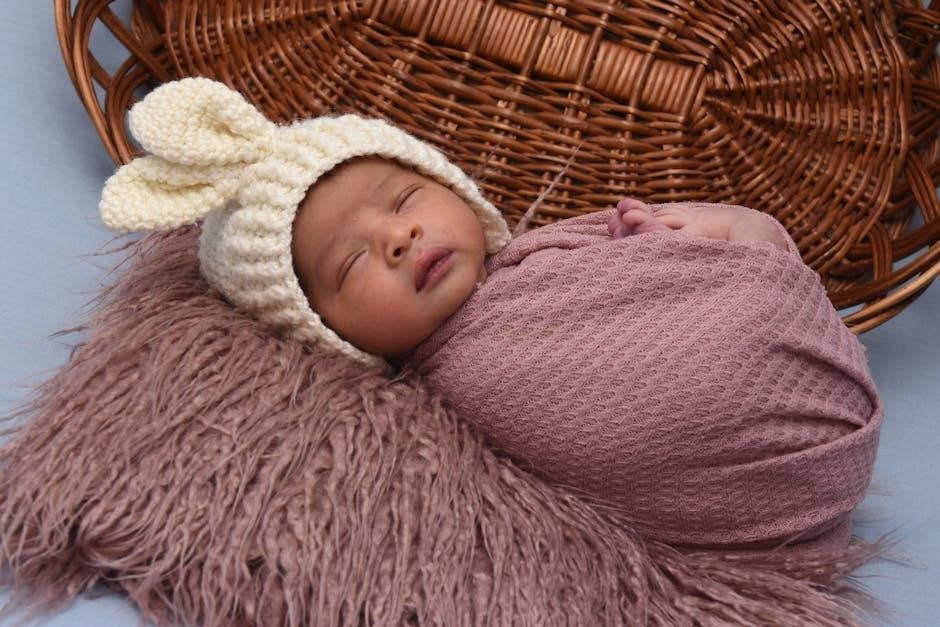
Velcro swaddles offer numerous advantages for both babies and parents. Their primary benefit lies in their ease of use, eliminating the frustration often associated with traditional swaddling blankets. This simplicity allows for quicker and more consistent swaddling, even during nighttime feedings.
The secure fastening provided by Velcro minimizes the risk of the swaddle becoming loose, ensuring the baby remains comfortably contained throughout the night. Breathable materials, like cotton or bamboo, help regulate temperature and reduce the risk of overheating.
Furthermore, Velcro swaddles often feature adjustable closures, accommodating a baby’s growth and allowing for a gradual transition to unswaddled sleep. This adaptability promotes a smoother transition and supports healthy hip development.

Preparing for Swaddling
Before swaddling, select the appropriate size Velcro swaddle and familiarize yourself with its features, ensuring a secure and comfortable experience for your baby.
Choosing the Right Size Swaddle
Selecting the correct size Velcro swaddle is crucial for both comfort and safety. Most brands offer sizing guides based on your baby’s weight, rather than age, as babies develop at different rates.
Generally, newborn swaddles fit babies up to around 7 pounds, while larger sizes accommodate weights up to 13 or even 18 pounds. A swaddle that’s too big may not provide a secure wrap, potentially leading to escape, while one that’s too small could restrict movement and be uncomfortable.
Pay attention to the swaddle’s adjustable features; Velcro closures allow for customization to achieve a snug, yet not overly tight, fit. Always ensure the swaddle allows for healthy hip movement – a key consideration when choosing the right size and style.
Understanding Velcro Swaddle Features
Velcro swaddles boast several key features designed for ease of use and baby comfort. The primary component is, of course, the Velcro closure system, offering a secure and adjustable wrap compared to traditional methods.
Many swaddles utilize breathable fabrics like cotton or bamboo, minimizing overheating risks. Look for designs with adjustable wings or panels, allowing you to customize the snugness and accommodate hip-healthy positioning.
Some Velcro swaddles include a bottom opening for diaper changes, eliminating the need for a full unwrap. Transitional swaddles offer the ability to use one or both arms free, facilitating a smoother transition out of swaddling. Prioritize features promoting safe sleep and ease of use for both you and your baby.

Step-by-Step Velcro Swaddle Instructions
Velcro swaddling involves laying the swaddle flat, positioning the baby, and securing Velcro strips—ensuring a snug yet comfortable wrap for peaceful sleep.
Step 1: Laying Out the Swaddle
Begin by finding a flat, safe surface – a changing table or the floor works well. Unfold your Velcro swaddle, ensuring the Velcro closures are facing upwards. Most Velcro swaddles are diamond-shaped, but designs vary, so familiarize yourself with the specific layout of your chosen swaddle.
Position the swaddle so the top point is facing towards you. This top section will eventually fold down over the baby’s shoulders. Smooth out any wrinkles or creases in the fabric to create a comfortable and even surface for your little one. A smooth surface is key to preventing discomfort and ensuring a secure swaddle;
Double-check that all Velcro straps are free from any lint or debris that might hinder their stickiness. A clean Velcro closure ensures a secure and reliable hold throughout the night.
Step 2: Positioning the Baby
Gently place your baby on their back in the center of the unfolded Velcro swaddle. Ensure their shoulders are aligned with the top edge of the swaddle. It’s crucial to always place your baby on their back for safe sleep, reducing the risk of SIDS.
Straighten their legs and arms, preparing them for the swaddling process. Some babies naturally resist having their arms straight, so gentle encouragement may be needed. Keep their head uncovered and ensure the swaddle doesn’t obstruct their face or breathing.
Confirm the baby is comfortably positioned before proceeding. A relaxed baby will make the swaddling process much smoother. Take a moment to soothe them if they seem fussy or uncomfortable.
Step 3: Securing the First Velcro Strip
Begin with one side of the Velcro swaddle. Gently hold the baby’s arm down and across their chest, mirroring a natural resting position. Take the corresponding Velcro strip and wrap it snugly around the baby’s body, overlapping slightly for a secure hold.
Press firmly on the Velcro to ensure a strong connection. Avoid making it too tight, as this can restrict movement and be uncomfortable for the baby. You should be able to easily slip two fingers between the swaddle and the baby’s chest.
Repeat this process on the opposite side, ensuring both arms are securely, yet comfortably, swaddled against the body. Maintaining symmetry is key for balanced development.
Step 4: Securing the Second Velcro Strip
Now, focus on the lower portion of the Velcro swaddle. Gently bring one leg across the baby’s body, ensuring the hip is not overly extended or forced into a straight position – hip health is crucial.
Take the second Velcro strip and wrap it around the baby’s legs, securing them together. Again, overlap the Velcro for a firm, yet comfortable, hold. Avoid swaddling the legs too tightly, allowing for some natural movement.
Repeat on the other side, mirroring the first leg’s position. The swaddle should now securely hold both legs, promoting a feeling of containment and security for the baby.
Step 5: Adjusting for Hip Health
Prioritizing hip health is paramount when swaddling. Ensure the Velcro swaddle isn’t constricting the baby’s legs into a fully extended, straight position. This can contribute to hip dysplasia.
Allow for a natural “frog-leg” position, where the legs are bent up and out. Gently adjust the Velcro strips to accommodate this positioning, providing enough room for movement at the hips.
Check for tightness – you should be able to easily slide two to three fingers between the swaddle and the baby’s hips. A snug, but not restrictive, fit is ideal. Regularly reassess this as the baby grows.

Ensuring Safe Swaddling Practices
Prioritize safety by choosing breathable Velcro swaddles and monitoring your baby for overheating. Always position your baby on their back to sleep.
Recognize cues indicating it’s time to discontinue swaddling as your baby develops rolling abilities, ensuring continued safe sleep practices.
Avoiding Overheating
Maintaining a comfortable temperature for your baby while swaddling is crucial for safety. Velcro swaddles, often made from breathable materials like cotton or bamboo, help minimize overheating risks compared to heavier blankets.
However, it’s still essential to dress your baby appropriately – avoid excessive layers of clothing underneath the swaddle. A lightweight onesie or diaper is generally sufficient. Regularly check your baby’s temperature by feeling the back of their neck or chest; they should feel warm, not hot or sweaty.
Ensure the room temperature is comfortable, ideally between 68-72°F (20-22°C). Pay attention to your baby’s cues; if they are sweating, have flushed skin, or are breathing rapidly, remove a layer of clothing or discontinue swaddling immediately.
Recognizing When to Stop Swaddling
Knowing when to transition your baby out of the swaddle is vital for their development. Typically, most babies begin showing signs of wanting to break free around 2-4 months of age, coinciding with increasing strength and mobility.

Key indicators include attempting to escape the swaddle, rolling over (even attempting), or resisting being swaddled altogether. Continuing to swaddle once a baby can roll poses a safety risk, as it can restrict their ability to right themselves if they roll onto their stomach.
Observe your baby closely for these cues and be prepared to gradually transition to a sleep sack or loose-fitting clothing, allowing them more freedom of movement while still providing a sense of security.

Troubleshooting Common Issues
Velcro swaddles, while convenient, can sometimes present challenges like being too tight or the baby escaping. Adjustments are key for optimal comfort and safety.
Swaddle is Too Tight
If the Velcro swaddle feels too snug, immediately loosen the straps. A properly fitted swaddle allows for healthy hip movement and doesn’t restrict the baby’s legs. Check that you can easily slide two to three fingers between the swaddle and the baby’s chest.
Overly tight swaddling can be uncomfortable and potentially harmful, hindering development. Ensure the Velcro isn’t cinched excessively around the arms or legs. Prioritize breathability; if the fabric seems constricting, consider a looser wrap or a different size.
Observe your baby’s cues – fussiness or difficulty moving could indicate a swaddle that’s too tight. Regularly reassess the fit as your baby grows, adjusting the Velcro closures accordingly to maintain a safe and comfortable swaddle.
Baby Escapes the Swaddle
If your baby consistently breaks free from the Velcro swaddle, it’s likely time to adjust your technique or consider transitioning to a sleep sack. Ensure the Velcro straps are securely fastened, but not overly tight, creating a snug yet comfortable hold.
Double-check that the swaddle is properly positioned, covering the arms adequately. Some babies are simply adept at escaping, so a more secure swaddle design might be necessary. Consider a swaddle with additional layers or a different fastening system.
Remember, escaping indicates growing strength and mobility. It could be a sign your baby is ready for more freedom of movement, signaling the beginning of the transition out of swaddling.
Velcro Swaddles vs. Traditional Swaddling
Velcro swaddles streamline the process, offering ease of use and secure fastening compared to traditional methods requiring precise folding and tucking techniques.
They provide a consistent, snug fit, minimizing the risk of loose fabric and ensuring a safer, more comfortable sleep environment for your baby.
Ease of Use Comparison
Velcro swaddles drastically simplify the swaddling experience for parents, particularly those new to infant care. Traditional swaddling, involving meticulously folded blankets and secure tucks, demands practice and can be time-consuming, especially during nighttime feedings. Velcro closures, however, offer a quick and intuitive fastening system.
These swaddles feature adjustable Velcro strips that allow for a customized fit, eliminating the frustration of repeatedly re-wrapping a loose blanket. The hook-and-loop fasteners ensure a secure hold, reducing the chances of the swaddle unraveling during sleep. This ease of use is a significant advantage, allowing parents to focus on bonding with their baby rather than struggling with complicated swaddling techniques.
Many parents find Velcro swaddles particularly helpful during those first few weeks, when sleep deprivation is common and efficiency is key.
Security and Effectiveness
Velcro swaddles are designed to provide a secure and comforting embrace for newborns, mimicking the feeling of being held. The adjustable Velcro closures allow parents to achieve a snug, yet not overly tight, wrap, ensuring the baby feels contained and secure. This security can be incredibly effective in calming fussy infants and promoting longer stretches of sleep.
Unlike traditional swaddling with blankets, Velcro swaddles minimize the risk of loose fabric covering the baby’s face, enhancing safety. The secure fastening system also reduces the likelihood of the baby breaking free from the swaddle during sleep.
Breathable materials, commonly found in Velcro swaddles, further contribute to safety by minimizing the risk of overheating.

Transitioning Out of the Swaddle
Velcro swaddles facilitate a gradual transition by allowing one or both arms to be released, aiding the baby’s adjustment to independent sleep.
Observe for readiness cues!
Signs Your Baby is Ready
Recognizing when your little one is prepared to move beyond swaddling is crucial for a smooth transition. Velcro swaddles, with their adjustability, make this process easier to manage. Key indicators include your baby beginning to roll over – even attempting it signals a need for free arms.
Another sign is if your baby consistently breaks free from the Velcro swaddle, demonstrating increasing strength and a desire for more movement. Increased fussiness during swaddling, rather than being soothed by it, can also suggest readiness.
Finally, observe if your baby shows a preference for hands near their mouth, a natural self-soothing behavior that requires arm freedom. These cues indicate it’s time to explore sleep without the confines of a swaddle, potentially starting with one arm out.
Gradual Unwrapping Techniques
Transitioning out of a Velcro swaddle should be a gentle, phased process. Begin by loosening the swaddle slightly, allowing for more leg movement while keeping arms secure. Over several nights, gradually unfasten one Velcro strip at a time, starting with the arms.
A popular method is to swaddle with only one arm free for a few nights, then both. Alternatively, switch to a transitional swaddle designed with armholes. Observe your baby’s reaction; if fussiness increases, slow down the process.
Consider using a sleep sack once fully unwrapped, providing a sense of security without restriction. Patience is key – some babies adapt quickly, while others need more time.
Caring for Your Velcro Swaddle
Velcro swaddles require gentle care to maintain their effectiveness and longevity; follow the manufacturer’s washing instructions carefully.
Typically, machine washing on a delicate cycle with mild detergent is recommended, avoiding harsh chemicals or bleach.
Air drying is preferred to preserve the Velcro’s grip.
Washing Instructions
Maintaining your Velcro swaddle’s quality and hygiene is crucial for your baby’s comfort and safety. Always consult the care label on your specific swaddle, as recommendations can vary slightly between brands.
Generally, machine washing is acceptable, but using a delicate cycle with cold water is highly recommended. Employ a mild, baby-friendly detergent, avoiding any products containing bleach, fabric softeners, or harsh chemicals, as these can irritate your baby’s sensitive skin and compromise the Velcro’s adhesive properties.
To protect the Velcro closures during washing, secure all straps tightly before placing the swaddle in the washing machine. This prevents them from snagging on other items. After washing, air drying is the preferred method. Avoid using a dryer, as the heat can damage the Velcro and potentially shrink the fabric; If you must use a dryer, select the lowest heat setting.
Regular, gentle washing will ensure your Velcro swaddle remains a safe and comforting haven for your little one.
Storage Guidelines
Proper storage of your Velcro swaddle helps maintain its shape, functionality, and hygiene between uses. When not in use, store the swaddle in a clean, dry place, away from direct sunlight and extreme temperatures. A nursery drawer or closet shelf are ideal locations.
Crucially, always ensure the Velcro straps are securely fastened before storing. This prevents the hooks from attaching to other fabrics, potentially causing damage or creating a tangled mess. Consider storing the swaddle flat or loosely folded to minimize wrinkles and maintain the integrity of the Velcro closures.
Avoid storing the swaddle in plastic bags for extended periods, as this can trap moisture and promote mildew growth. A breathable fabric bag or simply leaving it open to air is preferable. Regularly inspect the swaddle for any signs of wear and tear before each use.