
Article Plan: Reading Comprehension Grade 2 PDF Free Download (as of 03/26/2026)
Discover essential resources for bolstering second-grade reading skills! Explore free PDF downloads‚ like those from TeacherCreated.com‚ featuring passages about giraffes and squids.
Enhance comprehension with focused questions and nonfiction texts‚ aiding young learners in their literacy journey. Access valuable materials today!
Embarking on the journey of reading comprehension in Grade 2 is a pivotal step in a child’s educational development. It moves beyond simply decoding words to truly understanding the meaning behind them. This stage focuses on building a foundation for lifelong learning and critical thinking skills.
Free PDF resources‚ such as those available from TeacherCreated.com‚ offer invaluable support. These materials often include engaging passages‚ like the ones detailing the fascinating lives of giraffes and squids‚ designed to capture a second grader’s attention.
Effective reading comprehension isn’t just about answering questions; it’s about fostering a love for reading and equipping students with the tools to become independent‚ thoughtful readers. These downloadable PDFs provide a convenient and accessible way to practice and reinforce these crucial skills.
Why Reading Comprehension is Crucial in Grade 2
Strong reading comprehension in Grade 2 is the cornerstone of academic success. It directly impacts performance across all subjects‚ not just language arts. When students understand what they read‚ they can apply that knowledge to science‚ social studies‚ and even math problem-solving.
Utilizing free PDF resources‚ like those featuring giraffe and squid passages‚ helps build this vital skill. These materials encourage students to actively engage with the text‚ fostering deeper understanding and retention.
Furthermore‚ proficient reading comprehension cultivates critical thinking‚ vocabulary development‚ and a lifelong love of reading. Accessible PDFs provide consistent practice‚ empowering students to become confident and capable learners.
Common Reading Comprehension Skills for Grade 2
Grade 2 students are developing crucial reading comprehension skills‚ laying the foundation for future academic success. Key areas include identifying the main idea‚ often demonstrated in passages about animals like giraffes and squids. They also learn to pinpoint supporting details that reinforce the central theme.
Understanding sequencing and the order of events is vital‚ as is the ability to make inferences – reading between the lines to predict outcomes. Free PDF resources provide targeted practice in these areas‚ using engaging content.
These skills aren’t isolated; they work together to create a holistic understanding of the text‚ fostering critical thinking and analytical abilities.
3.1 Identifying Main Idea and Supporting Details
Successfully grasping the main idea is fundamental to reading comprehension. In Grade 2 PDFs‚ like those featuring giraffe and squid passages‚ students learn to discern the central thought. For example‚ the giraffe passage’s main idea centers on how its neck aids survival.
Supporting details then provide evidence – the neck’s length for reaching food‚ spotting danger‚ and even neck fighting. Worksheets often ask students to pinpoint sentences directly supporting the main idea.
This skill isn’t about memorization‚ but understanding how details connect to the overarching theme‚ building analytical thinking.
3.2 Understanding Sequencing and Order of Events
Mastering the order of events is crucial for comprehending narratives within Grade 2 reading comprehension PDFs. Passages‚ even those about animals like squids and giraffes‚ present information in a specific sequence.
Students learn to identify signal words – “first‚” “next‚” “then‚” “last” – that indicate chronological order. Worksheets frequently present scrambled events‚ requiring children to reorder them correctly.
This skill extends beyond storytelling; understanding process sequences (how a giraffe eats‚ how a squid hunts) is vital. Successfully sequencing builds a stronger mental model of the text‚ enhancing overall comprehension.
3.3 Making Inferences and Predictions
Developing the ability to “read between the lines” is key in Grade 2 reading comprehension‚ and PDFs offer excellent practice. Students learn to make inferences – using text clues and their own knowledge – to understand unstated ideas.
For example‚ a passage mentioning a giraffe’s long neck prompts inferences about its feeding habits. Similarly‚ details about a squid’s arms suggest how it catches prey. Predicting involves anticipating what might happen next based on the text.
PDF worksheets often pose questions like “Why do you think…?” or “What might happen if…?” fostering these critical thinking skills. These skills are foundational for deeper understanding.
Free PDF Resources for Grade 2 Reading Comprehension
Numerous online platforms offer free‚ downloadable PDF resources to support Grade 2 reading comprehension development. TeacherCreated.com stands out‚ providing “Daily Reading Practice” materials specifically designed for this age group. These resources feature engaging passages‚ like those detailing the lives of giraffes and squids‚ alongside targeted comprehension questions.
Other websites and educational resource hubs also host printable worksheets covering a range of topics and reading levels. Searching for “Grade 2 reading comprehension PDF” yields a wealth of options. Utilizing these free PDFs allows educators and parents to reinforce skills without financial burden.
TeacherCreated.com: Daily Reading Practice (Grade 2) ⸺ A Detailed Look
TeacherCreated.com’s “Daily Reading Practice” for Grade 2 provides a focused approach to comprehension skill-building. The downloadable PDF includes passages like those about giraffes – detailing their neck-fighting and survival strategies – and squids‚ highlighting their unique features and hunting methods. These nonfiction texts are paired with multiple-choice questions designed to assess understanding.
The resource emphasizes key skills such as identifying main ideas and recalling supporting details. Questions specifically target comprehension of factual information presented within the passages. This daily practice format allows for consistent reinforcement‚ aiding students in developing crucial reading abilities.

5.1 Content Overview: Giraffe and Squid Passages
The “Daily Reading Practice” PDF features two distinct nonfiction passages: one focusing on giraffes and the other on squids; The giraffe text explores the animal’s unique neck‚ explaining its role in obtaining food‚ engaging in “neck fighting‚” and detecting danger. It highlights the giraffe’s survival adaptations and maternal instincts.
Conversely‚ the squid passage introduces this fascinating ocean creature‚ detailing its eight arms‚ including two longer tentacles‚ and remarkably large eyes. It describes the squid’s predatory behavior‚ focusing on how it uses its arms to capture and consume fish. Both passages are designed to be engaging and informative for second-grade readers.
5.2 Question Types: Multiple Choice Focus

The “Daily Reading Practice” PDF primarily utilizes multiple-choice questions to assess reading comprehension. These questions directly relate to the giraffe and squid passages‚ testing students’ understanding of key details and concepts. For example‚ questions probe understanding of the giraffe’s neck function – head‚ neck‚ feet‚ or ears.

Similarly‚ questions regarding the squid focus on interpreting descriptive details‚ such as the comparison of its arms to a school bus. The format encourages students to carefully reread the text to identify the correct answer. This approach reinforces close reading skills and analytical thinking‚ crucial for second-grade literacy development.
5.3 Assessing Non-Fiction Comprehension Skills
The TeacherCreated.com PDF effectively assesses non-fiction comprehension through passages about animals – specifically‚ giraffes and squids. Questions target students’ ability to recall factual information presented in the text‚ such as the giraffe’s neck-fighting behavior and the squid’s unique physical attributes.
This assessment goes beyond simple recall‚ prompting students to understand why giraffes have long necks (for safety and reaching food) and how squids capture prey. The multiple-choice format requires students to differentiate between accurate details and plausible‚ yet incorrect‚ options. Successfully answering these questions demonstrates a grasp of non-fiction text structures and key concepts.
Types of Reading Passages Available in Grade 2 PDFs
Grade 2 reading comprehension PDFs offer a diverse range of passages to engage young readers. Fictional stories captivate children with narratives‚ fostering imagination and emotional connection to characters. However‚ a significant portion focuses on non-fiction texts‚ broadening their knowledge base.
Common non-fiction themes include animals – as exemplified by the giraffe and squid passages – but extend to science topics and general knowledge. These PDFs skillfully blend entertainment with education‚ presenting information in an accessible format. The variety ensures students encounter different writing styles and content areas‚ promoting well-rounded literacy development.
6.1 Fictional Stories for Engagement

Fictional reading passages within Grade 2 PDFs are carefully crafted to ignite a child’s imagination and foster a love for reading. These stories often feature relatable characters and engaging plots‚ making the learning process enjoyable. The narratives are designed with age-appropriate vocabulary and sentence structures‚ ensuring comprehension isn’t a barrier to enjoyment.
While the provided sample focuses on non-fiction‚ many PDF resources include fictional tales that subtly reinforce comprehension skills. These stories encourage students to predict outcomes‚ identify character traits‚ and understand story sequences. Ultimately‚ fictional passages build a strong foundation for more complex reading tasks.
6.2 Non-Fiction Texts: Animals‚ Science‚ and More
Grade 2 reading comprehension PDFs heavily feature non-fiction texts‚ expanding students’ knowledge base alongside their reading skills. The example from TeacherCreated.com showcases passages about animals – specifically‚ giraffes and squids – providing factual information in an accessible format. These texts introduce children to scientific concepts and real-world subjects.
Beyond animals‚ PDFs often include non-fiction on topics like plants‚ weather‚ and simple machines. This variety exposes students to diverse subjects‚ building vocabulary and critical thinking skills. Non-fiction passages encourage students to identify main ideas‚ locate supporting details‚ and understand informational text structures.
Benefits of Using PDF Worksheets
PDF worksheets offer numerous advantages for Grade 2 reading comprehension practice. Their accessibility allows for easy printing and distribution‚ making them ideal for classroom or home use. The format ensures consistent presentation‚ minimizing distractions and focusing students on the content. Resources like those from TeacherCreated.com provide structured exercises‚ such as multiple-choice questions‚ to assess understanding.
Furthermore‚ PDFs are cost-effective and readily available‚ eliminating the need for expensive textbooks. They facilitate independent learning and allow teachers to easily monitor student progress. The focused nature of worksheets‚ like the giraffe and squid passages‚ promotes targeted skill development in areas like identifying main ideas and factual recall.
How to Effectively Use Reading Comprehension PDFs

Maximize the impact of Grade 2 reading comprehension PDFs through strategic implementation. Begin with pre-reading activities like discussing the topic or previewing key vocabulary. Encourage students to actively engage with the text‚ highlighting important details or making predictions. Utilize the provided questions – like those focusing on giraffe and squid passages – to guide their understanding.
Post-reading‚ facilitate discussions to explore inferences and interpretations. Extend learning with related activities‚ such as writing summaries or creating illustrations. Adapt the worksheets to individual needs‚ offering support for struggling readers or challenges for advanced learners. Regular use and varied approaches will foster significant growth.
8.1 Pre-Reading Activities to Enhance Understanding
Prepare second graders for success with targeted pre-reading strategies. Begin by activating prior knowledge – what do they already know about giraffes or squids‚ as seen in available PDFs? Introduce key vocabulary words‚ like “tentacles” or “neck fighting‚” before reading. Engage students with picture walks‚ examining illustrations to predict the story’s content.
Pose thought-provoking questions: “What might a giraffe use its long neck for?” or “What challenges might a squid face in the ocean?” Encourage students to make predictions about the text’s main idea. These activities build anticipation and provide a framework for comprehension‚ maximizing the benefits of the PDF worksheets.
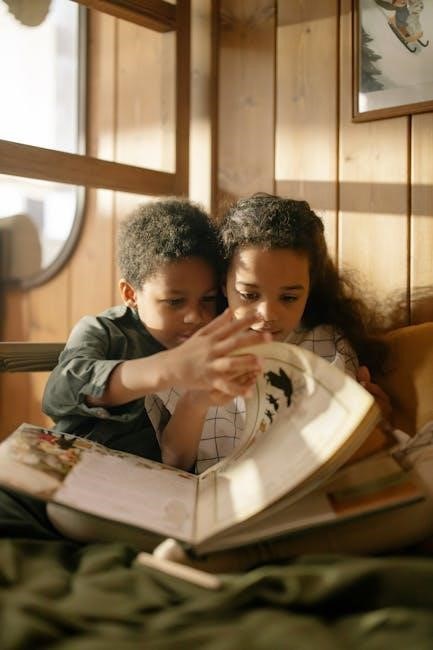
8.2 Post-Reading Discussions and Activities
Solidify comprehension with engaging post-reading activities. Facilitate discussions centered around the giraffe and squid passages from PDFs – what was the main idea? Encourage students to retell the story in their own words‚ focusing on sequencing events. Ask inferential questions: “Why does the giraffe need a long neck?”
Extend learning with creative tasks. Have students draw illustrations depicting key scenes or write short summaries. Utilize the multiple-choice questions within the PDFs as a springboard for deeper analysis. These activities reinforce understanding‚ promote critical thinking‚ and ensure students extract maximum value from the reading comprehension materials.
Adapting PDFs for Different Learning Levels
Differentiate instruction by modifying PDF worksheets. For struggling readers‚ pre-teach key vocabulary from passages like the giraffe and squid texts. Simplify questions‚ offering fewer answer choices or providing sentence starters. Challenge advanced learners by asking them to write their own questions or compare/contrast the two animal passages.
Consider breaking down longer texts into smaller chunks. Highlight important information or provide graphic organizers to aid comprehension. Utilize the existing multiple-choice questions as a base‚ adding open-ended prompts for deeper analysis. Adaptation ensures all students can access and benefit from the reading materials.
Printable Reading Comprehension Worksheets: Beyond TeacherCreated.com
Numerous online resources offer additional Grade 2 reading comprehension PDFs. Websites like Education.com‚ K5 Learning‚ and Super Teacher Worksheets provide diverse passages and question types. Explore options featuring fictional stories and non-fiction texts covering animals‚ science‚ and social studies – expanding beyond giraffe and squid examples.
Search for worksheets aligned with specific skills‚ such as identifying the main idea or understanding sequencing. Many sites allow filtering by reading level and theme. Download and print these resources to supplement TeacherCreated.com’s materials‚ creating a comprehensive practice toolkit. Variety keeps learning engaging!
Key Vocabulary Development in Grade 2 Reading
Reading comprehension and vocabulary growth are intrinsically linked in Grade 2; PDF worksheets‚ like those featuring giraffe and squid passages‚ present opportunities to learn new words in context. Encourage students to identify unfamiliar terms – “munch‚” “tentacles‚” or “beaks” – and use context clues to determine their meaning.
Pre-teaching key vocabulary before reading can significantly improve comprehension. Post-reading activities should include discussions about word meanings and how they contribute to the overall text. Utilize vocabulary lists and games to reinforce learning. Expanding a child’s vocabulary unlocks deeper understanding and fluency.
Strategies for Answering Multiple Choice Questions
Mastering multiple-choice questions is crucial for assessing Grade 2 reading comprehension‚ as exemplified in the TeacherCreated.com giraffe and squid passages. Teach students to read the question carefully‚ identifying key words and what is being asked. Encourage them to eliminate obviously incorrect answers first.
Emphasize the importance of referring back to the text to find evidence supporting their chosen answer. Discuss strategies like using keywords from the passage to match with answer choices. Highlight the danger of choosing answers that are “partially” correct; the best answer will be fully supported by the text.
Monitoring Comprehension: Asking Questions While Reading
Effective readers actively monitor their understanding‚ a skill vital when using Grade 2 reading comprehension PDFs. Encourage students to pause during reading – whether giraffe or squid passages from TeacherCreated.com – and ask themselves questions. Promote questions like “What just happened?” or “What might happen next?”
Model this process aloud‚ demonstrating how to clarify confusion by rereading sections. Teach them to identify unfamiliar words and seek context clues. Emphasize that good readers don’t just decode words; they construct meaning and check for understanding throughout the reading process‚ ensuring full comprehension.
The Role of Parents in Supporting Reading Comprehension

Parents play a crucial role in reinforcing Grade 2 reading comprehension skills‚ especially when utilizing free PDF resources like those available from TeacherCreated.com. Encourage regular reading sessions with your child‚ discussing passages about animals like giraffes and squids.
Ask open-ended questions about the stories – “What was the main idea?” or “How did the character feel?” – to stimulate critical thinking. Help them connect the text to their own experiences. Create a supportive and encouraging environment‚ celebrating effort and progress‚ fostering a lifelong love of reading.

Connecting Reading Comprehension to Writing Skills
Strong reading comprehension directly fuels writing proficiency in Grade 2. When students analyze texts – like the giraffe and squid passages found in free PDF resources – they internalize sentence structure and vocabulary. Encourage children to retell stories in their own words‚ practicing narrative skills.
Utilize comprehension exercises as springboards for writing prompts. For example‚ after reading about a giraffe‚ ask them to write a fact-filled paragraph. This reinforces understanding and builds writing fluency. Connecting these skills solidifies learning and boosts overall literacy development.
Common Challenges Students Face in Grade 2 Reading Comprehension
Many Grade 2 students struggle with identifying the main idea‚ often focusing on details instead. Another hurdle is making inferences; connecting text to prior knowledge proves difficult. Decoding unfamiliar words within passages‚ like those about giraffes or squids in free PDF resources‚ can also impede understanding.
Sequencing events presents a challenge for some‚ impacting their ability to retell stories accurately. Multiple-choice questions‚ while common‚ can be tricky if students misinterpret the wording. Providing targeted support‚ utilizing varied PDF worksheets‚ and fostering a patient learning environment are crucial for overcoming these obstacles.
Utilizing Online Tools Alongside PDF Worksheets
Complementing Grade 2 reading comprehension PDFs with online tools amplifies learning. Interactive platforms offer immediate feedback‚ unlike static worksheets featuring giraffe and squid passages. Digital storybooks with read-aloud features aid decoding skills‚ crucial for tackling complex texts.
Online quizzes mirroring multiple-choice questions in PDFs assess understanding dynamically. Vocabulary-building games reinforce word recognition‚ enhancing comprehension. Utilizing these resources alongside free downloads from TeacherCreated.com creates a blended learning experience‚ catering to diverse learning styles and maximizing engagement for young readers.
Assessing Progress: Tracking Reading Comprehension Growth
Regularly monitoring a Grade 2 student’s reading comprehension is vital. Utilize PDF worksheets‚ like those with giraffe and squid passages from TeacherCreated.com‚ as benchmarks. Track accuracy on multiple-choice questions‚ noting consistent errors – perhaps with identifying main ideas or sequencing events.
Maintain a portfolio of completed worksheets to visualize improvement over time. Observe student participation in post-reading discussions‚ assessing their ability to articulate understanding. Consider informal assessments like retelling stories. Documenting this growth provides valuable insights for tailoring instruction and celebrating achievements.
Recommended Reading Lists for Grade 2
Supplement PDF-based comprehension practice with engaging books! Explore series like “Magic Tree House” for fictional adventures‚ fostering a love of reading. Introduce non-fiction titles mirroring PDF topics – animal books featuring giraffes and squids‚ or introductory science texts.
Consider “National Geographic Kids” for visually appealing‚ informative reads. Utilize library resources and online lists curated for second graders. Encourage diverse genres to broaden exposure. Pair reading with comprehension checks – simple questions mirroring those found in TeacherCreated.com’s PDFs – to reinforce skills and build confidence.
Empowering Grade 2 Readers

Mastering reading comprehension in second grade is foundational for future academic success. Utilizing free PDF resources‚ like those available from TeacherCreated.com‚ provides accessible practice with passages about fascinating creatures like giraffes and squids.
Remember to blend PDF worksheets with engaging books and supportive discussions. Focus on key skills – identifying main ideas‚ sequencing events‚ and making inferences. Empower students to actively monitor their understanding by asking questions while reading. Consistent practice and a positive learning environment will cultivate confident‚ capable readers‚ setting them on a path to lifelong learning!