
Overview of Physical Therapy SOAP Notes
Physical therapy SOAP notes capture patient progress in a structured format. They combine subjective reports, objective measurements, and assessment/plan data. PDF versions preserve formatting, ensure secure storage, and support compliance with privacy regulations. They enable consisten traking across sessions.
Definition and Purpose
A physical therapy SOAP note in PDF format is a concise, structured record that captures the essential elements of a clinical encounter. The Subjective section documents the patient’s own words about pain, functional limitations, and personal history. The Objective section records measurable data such as range of motion, strength grades, gait observations, and test results. The Assessment synthesizes these findings into a clinical impression, often including a diagnosis or differential diagnosis. The Plan outlines specific interventions, goals, and follow‑up recommendations. PDF format preserves the integrity of the original content, ensures consistent layout across devices, and provides a secure, tamper‑evident file that can be archived or shared while meeting regulatory requirements. By converting a Word‑based template or handwritten form into a PDF, clinicians streamline documentation, reduce errors, and maintain a clear audit trail for insurance billing and quality reporting. The purpose of this format is to provide a reliable, legible record that can be reviewed by the treating team and to facilitate compliance with health‑information‑privacy laws and professional standards. Additionally, the PDF format supports electronic signatures, facilitates quick sharing with multidisciplinary teams, and enhances patient education by allowing easy access to progress notes. It also aids in meeting accreditation standards and streamlining audit processes.
Lorem ipsum dolor sit amet, consectetur adipiscing elit. Lorem ipsum dolor sit amet, consectetur adipiscing elit. Lorem ipsum dolor sit amet, consectetur adipiscing elit. Lorem ipsum dolor sit amet, consectetur adipiscing elit. Lorem ipsum dolor sit amet, consectetur adipiscing elit. Lorem ipsum dolor sit amet, consectetur adipiscing elit. Lorem ipsum dolor sit amet, consectetur adipiscing elit. !!…

Importance of PDF Format for Documentation
PDFs lock content, prevent edits, and preserve formatting across platforms. They support secure electronic signatures, meet HIPAA compliance, and simplify archiving. Clinicians can quickly share notes with teams, insurers, and patients, ensuring consistent, tamper‑evident records for quality care. and safe. Nx.
Advantages of PDF for Documentation
PDF documents provide a reliable, secure, and universally accessible format for physical therapy SOAP notes. Because PDFs preserve layout, fonts, and embedded images, clinicians can guarantee that the note appears identical to the original on any device or operating system. This consistency is critical when notes are reviewed by multidisciplinary teams, insurers, or legal authorities. PDFs also support encryption, password protection, and digital signatures, which help maintain HIPAA compliance and prevent unauthorized access or tampering. By embedding a digital signature, the document’s integrity is verifiable; any alteration after signing is immediately detectable. Additionally, PDF files are lightweight, making them easy to attach to electronic health record (EHR) systems or email exchanges without excessive bandwidth consumption. The format’s compatibility with OCR (optical character recognition) allows scanned paper notes to be converted into searchable PDFs, improving retrieval speed. Finally, PDFs can be archived long‑term in a standardized format that is less prone to software obsolescence, ensuring that patient records remain accessible for decades. These advantages collectively enhance documentation accuracy, security, and workflow efficiency for physical therapy practices. This standardized format also supports integration with practice management systems, enabling automated billing, reporting, and analytics that streamline clinical operations and improve patient outcomes. now.!!!

Standard SOAP Structure in Physical Therapy
The SOAP format—Subjective, Objective, Assessment, Plan—organizes PT notes. Subjective captures patient reports. Objective records measurable data. Assessment summarizes findings. Plan outlines interventions, goals, and follow‑up. PDFs preserve this structure for auditability and compliance. Entries timestamped audit.
Subjective Section Details
By capturing the patient’s voice in a structured PDF, the note remains machin readable for while preserving nuance human experience.!
Objective Section Details
Objective data includes range of motion, strength, gait, pain, and functional tests, all recorded in a PDF for consistency. Objective data includes range of motion, strength, gait, pain, and functional tests, all recorded in a PDF for consistency. Objective data includes range of motion, strength, gait, pain, and functional tests, all recorded in a PDF for consistency. Objective data includes range of motion, strength, gait, pain, and functional tests, all recorded in a PDF for consistency. Objective data includes range of motion, strength, gait, pain, and functional tests, all recorded in a PDF for consistency. Objective data includes range of motion, strength, gait, pain, and functional tests, all recorded in a PDF for consistency. Objective data includes range of motion, strength, gait, pain, and functional tests, all recorded in a PDF for consistency; Objective data includes range of motion, strength, gait, pain, and functional tests, all recorded in a PDF for consistency. Objective data includes range of motion, strength, gait, pain, and functional tests, all recorded in a PDF for consistency. Objective data includes range of motion, strength, gait, pain, and functional tests, all recorded in a PDF for consistency. Objective data includes range of motion, strength, gait, pain, and functional tests, all recorded in a PDF for consistency.Objective data includes ROM, strength, gait, pain, and tests recorded in PDF now! Each objective measure is documented with precision, ensuring progress can be quantified and compared over time.
Assessment & Plan Section Details

Assessment summarizes the clinical interpretation of subjective and objective data, identifying the primary diagnosis, functional limitations, and prognosis. In a PDF format, the assessment is typically concise, using standardized terminology and evidence‑based criteria. The plan outlines specific interventions, frequency, intensity, and expected outcomes, and it is updated at each encounter to reflect progress or setbacks. Key elements include:

- Diagnosis: ICD‑10 code, functional level, and anticipated recovery timeline.
- Intervention Goals: Short‑term and long‑term objectives measured by validated outcome tools.
- Treatment Modalities: Manual therapy, therapeutic exercise, modalities, and patient education.
- Frequency & Duration: Session count per week and total program length.
- Progress Metrics: Pain scales, ROM, strength, gait analysis, and functional performance tests.
- Re‑evaluation Schedule: Dates for reassessment and plan modification.
Each element is entered into a PDF template that preserves formatting, ensures legibility across devices, and facilitates secure storage. The PDF also supports electronic signatures, allowing clinicians to sign off on the assessment and plan without converting back to Word. This workflow streamlines documentation, reduces errors, and maintains compliance with regulatory standards.
All entries signed for audit trails timestamped!

Sample Physical Therapy SOAP Note Templates
Download editable Word and PDF templates that auto‑populate fields, preserve formatting, and support electronic signatures. Templates include standard sections, drop‑down lists, customizable progress charts, ensuring consistency and compliance across practices!
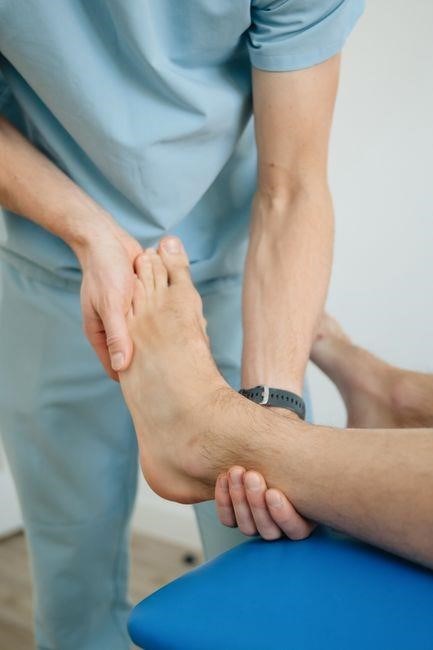
Editable Word Templates for PDF Conversion
Physiotherapy clinicians now use Word templates that automatically convert to PDF, preserving formatting and ensuring secure storage. These templates include fields for patient demographics, subjective complaints, objective findings, assessment statements, and treatment plans. Drop‑down menus and checklists reduce data entry errors, while auto‑calculating progress metrics keep records consistent. After completing a note, a single click exports it to PDF, locking the layout, fonts, and embedded images such as range‑of‑motion charts. PDF files support electronic signatures, creating a tamper‑evident audit trail. Because PDFs are universally readable, billing departments, insurers, and patients can view documents without proprietary software. Many libraries offer version control, allowing updates to guidelines without redesigning the form. Integration with EHR systems can push the PDF back into the patient’s chart, keeping all documentation in one compliant repository. This workflow cuts administrative overhead, speeds billing, and improves overall efficiency.
Templates often embed compliance checks for HIPAA, masking protected health information before PDF export. Custom branding—logos, color schemes—applies automatically, reinforcing professional identity. Therapists working remotely can use the Word‑to‑PDF workflow on tablets or laptops with a PDF writer, enabling real‑time documentation during telehealth visits. The finalized PDF can be sent securely to patients or referring physicians via portals. Training staff with concise video tutorials ensures every team member can produce high‑quality, compliant SOAP notes efficiently. The combination of editable Word forms and PDF conversion streamlines documentation, supports audit readiness, and enhances patient confidence in the care process. This approach also reduces paper waste and aligns with green healthcare initiatives!!
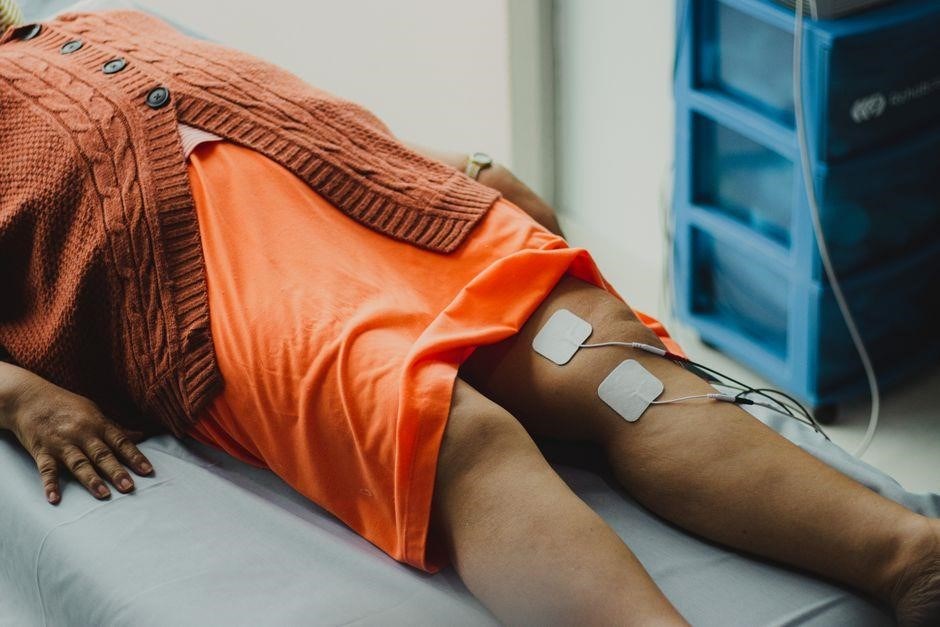
Compliance and Best Practices for SOAP Note Documentation

Compliance in PT SOAP PDFs hinges on HIPAA, audit trails, and electronic signatures. Use secure cloud storage, enforce role‑based access, and embed patient consent. Regularly audit templates for accuracy, keep version control, and train staff on privacy best practices. Add audit logs and checks for compliance!!!
HIPAA Privacy Requirements for PDF Notes
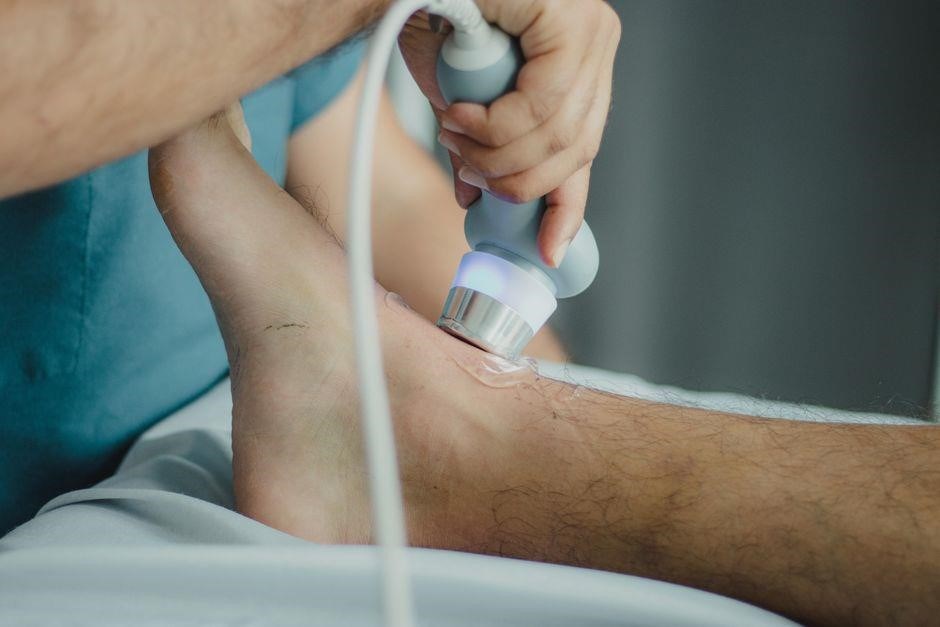
HIPAA mandates that all PHI in PT SOAP PDFs be protected through encryption, secure storage, and controlled access. PDFs should use password protection, or DRM, and be transmitted only via encrypted channels (HTTPS, SFTP). Redaction tools must remove identifiers before sharing externally. The minimum‑necessary rule requires that only the data essential for treatment be included; unnecessary identifiers such as full names or addresses should be omitted or masked. Electronic signatures must be verified with digital certificates or secure authentication to meet the HIPAA “signer” requirement. Audit logs must record every access, edit, or transmission event, and these logs should be retained for at least six years. Regular staff training on PHI handling, breach notification procedures, and the use of secure PDF creation software is essential. When disposing of PDFs, use certified deletion methods or secure shredding to prevent data recovery. Compliance also demands that any third‑party service provider sign a Business Associate Agreement (BAA) and adhere to the same security standards. Finally, periodic risk assessments should be conducted to identify and mitigate vulnerabilities in the PDF workflow, ensuring continuous protection of patient information across all stages of documentation and transmission. Ensuring compliance requires continuous education, regular audits, and integration of secure PDF workflows into electronic health record systems, which collectively safeguard patient confidentiality while supporting efficient clinical documentation. robust audit trails by
Documentation Efficiency Tips and Electronic Signatures
Streamlining PT SOAP PDF creation begins with standardized, editable templates that auto‑populate patient identifiers, visit dates, and common assessment phrases. Integrating voice‑to‑text dictation software reduces manual typing, while built‑in drop‑down menus limit free‑form entry errors. Batch‑processing tools can convert multiple Word or XML notes to PDF in one operation, preserving formatting and ensuring consistent page numbering. Digital signatures, applied via secure certificate‑based workflows, satisfy HIPAA’s “signer” requirement and eliminate the need for paper prints. Embedding a timestamp and signature hash into the PDF metadata provides tamper‑evidence and auditability. When notes are stored in a cloud‑based EHR, automatic version control tracks edits, and role‑based permissions restrict access to authorized clinicians only. Regularly scheduled refresher training on template use, dictation accuracy, and signature protocols keeps staff proficient and reduces turnaround time. Finally, establishing a routine for quarterly template reviews ensures that evolving clinical guidelines and regulatory changes are reflected promptly, maintaining both efficiency and compliance across the documentation lifecycle.
Adopting cloud storage with role‑specific access controls, automated backup schedules, and audit trail integration further streamlines documentation workflows. Clinicians can review historical data, generate compliance reports, and export notes to other systems without re‑entry, saving time and reducing errors.