
Overview of Inverse Trigonometric Functions Worksheets

These worksheets compile common inverse trig problems, offering step‑by‑step solutions and downloadable PDFs․ They cover exact values, domain‑range checks, and composite evaluations, making them ideal for self‑study or classroom use․ Answers are provided for quick verification․ Perfect for exams․ Easy․!!
Definition and Purpose
Inverse trigonometric functions, commonly denoted as arcsin, arccos, and arctan, are the mathematical inverses of the primary trigonometric functions sine, cosine, and tangent․ They map a real number within a specific domain to an angle whose trigonometric value equals that number․ For example, arcsin(½) returns π/6 because sin(π/6)=½․ In educational settings, worksheets that provide these functions in PDF format serve multiple pedagogical goals․ First, they reinforce the conceptual understanding that every angle has a unique sine, cosine, or tangent value within the principal range, and that the inverse functions retrieve that angle․ Second, they offer a structured practice environment where students compute exact values without relying on calculators, thereby strengthening mental arithmetic and familiarity with unit‑circle values․ Third, the inclusion of domain and range restrictions, encouraging careful attention to valid input values and the correct interpretation of outputs․ Fourth, the inclusion of composite function problems—such as evaluating arcsin(sin θ) or arccos(cos θ)—helps students grasp the interplay between functions and their inverses, a key theme in advanced algebra and calculus․ Finally, downloadable PDFs with answer keys enable self‑assessment and immediate feedback, making these resources valuable for both independent study and classroom instruction․ By integrating visual aids, step‑by‑step solutions, and a variety of difficulty levels, these worksheets support diverse learning styles and promote mastery of inverse trigonometric concepts․ Students who regularly engage with these worksheets often report increased confidence when tackling trigonometric problems on standardized tests, as the practice solidifies both procedural fluency and conceptual insight․ Moreover, educators can customize the difficulty by selecting problems that target specific learning objectives, such as mastering exact angle values, recognizing principal values, or mastering inverse function composition․ The PDF format ensures portability across devices, allowing learners to access the material offline and teachers to distribute it efficiently during lessons or as homework assignments․ These resources also support collaborative learning when students compare solution strategies․

Typical Formats and Layouts
Inverse trigonometric worksheets in PDF format are designed to reinforce core concepts by providing structured practice that blends theory with application․ A typical worksheet begins with a concise title page that lists the subject, grade level, and learning objectives, followed by a clear table of contents․ The main body is divided into numbered problem sets, each labeled with a heading such as “Exact Value Calculations” or “Composite Function Evaluations․” Within each set, problems are presented in a two‑column format: the left column contains the problem statement, while the right column offers a blank space for the student’s answer․ Many worksheets incorporate a small diagram of the unit circle or a reference table of common angles (0°, 30°, 45°, 60°, 90°) to support visual learning․ Some resources also include a “Hints” section, offering subtle guidance without revealing full solutions․ The layout is intentionally clean, with ample white space to reduce cognitive load, and uses bold or italic text to emphasize key terms․ Additionally, many PDFs feature a “Progress Tracker” at the bottom of each page, allowing students to mark completed problems․ For advanced practice, some worksheets add a “Challenge Problems” subsection, encouraging deeper exploration beyond the standard curriculum․ Overall, the design prioritizes clarity, accessibility, and the ability to print or view on various devices, ensuring that learners can engage with the material in a and manner!

Types of Problems in Worksheets
Typical worksheets feature exact value questions, composite evaluations, domain‑range checks,and real‑world applications․ Problems range from simple arcsin(½) to complex composite arcsin(sin(θ))․ Each problem is paired with a concise answer key for instant feedback․
Exact Value Calculations
These worksheets focus on determining precise values of inverse trigonometric functions without calculators․ Students solve expressions such as arcsin(½), arccos(√3/2), and arctan(1)․ The problems are structured around the unit circle, enabling students to identify angles that correspond to common sine, cosine, and tangent ratios․ Each question is followed by a concise answer key, allowing learners to verify their work instantly․ The answer key provides the exact angle in radians or degrees, depending on the worksheet’s requirement, and explains the reasoning behind each step․ For example, arcsin(½) yields π/6 radians (30°), while arccos(√3/2) results in π/6 radians as well․ These calculations reinforce the relationship between trigonometric functions and their inverses, ensuring students grasp the concept of principal values and the importance of domain restrictions․ Worksheets often include a mix of straightforward and slightly challenging values, such as arcsin(√2/2) or arctan(√3), to test comprehension․ By mastering exact value calculations, students build confidence in handling more complex problems involving inverse trigonometric functions in higher mathematics courses․
Composite Function Evaluations
These worksheets challenge students to evaluate compositions of inverse trigonometric functions with their direct counterparts․ Typical problems include simplifying expressions such as arcsin(sin θ), arccos(cos θ), and arctan(tan θ) for various angles, as well as mixed compositions like sin(arccos x) or cos(arcsin x)․ The key to solving these lies in recognizing the principal value ranges: arcsin ∈ [−π/2, π/2], arccos ∈ [0, π], arctan ∈ (−π/2, π/2)․ For instance, arcsin(sin (5π/6)) simplifies to π/6, not 5π/6, because the result must lie within the principal interval․ Similarly, sin(arccos x) equals √(1 − x²) for |x| ≤ 1, illustrating the geometric interpretation on the unit circle․ Worksheets provide a mix of numeric and symbolic tasks, each followed by a detailed answer key that explains the reasoning step by step․ By mastering these composites, students gain deeper insight into function inverses and the importance of domain restrictions, preparing them for advanced topics in calculus and analytical geometry․
Students often encounter variations that test their understanding of domain restrictions, such as evaluating arcsin(2) or arccos(−1․5)․ These cases require recognizing that the input lies outside the principal domain, prompting the use of identities or transformations to bring the value back into range․ By practicing these scenarios, learners develop a intuition for handling cases and ensuring accurate results across mathematical contexts․․ ․

Common Errors and How to Avoid
Students often misapply domain limits, confusing arcsin(1․2) with a real value, or swapping sin⁻¹ and cos⁻¹․ Ensure you check the principal range before simplifying, and verify step against unit‑circle identities․ Clear answer keys help prevent these pitfalls Precise․
Misinterpretation of Domain and Range
Students often misapply domain limits when solving inverse trigonometric worksheets․ For arcsin, the input must lie between –1 and 1․ A frequent mistake is treating arcsin(1․2) as a real angle, which is impossible because the function’s output is undefined for |x|>This error propagates through subsequent steps, producing incorrect simplifications․
Arccos shares the same input restriction but has a different principal value interval: [0, π]․ Many learners mistakenly assign arccos(–1) to –π, overlooking that the correct value is π․ Such confusion typically stems from a superficial reading of unit‑circle tables, where the negative sign is ignored or misapplied․
Arctan’s domain is all real numbers, yet its range is confined to (–π/2, π/2)․ Students sometimes incorrectly set arctan(1) to π/4 while ignoring the open interval restriction․ This subtlety is crucial when solving composite problems like tan⁻¹(tan θ) or tan(tan⁻¹ x), where the inverse may not return the original angle if it lies outside the principal range․
To prevent these pitfalls, worksheets should state the domain and range for each inverse function before problems․ Visual aids, such as shaded regions on the unit circle or annotated graphs, reinforce that only certain input values yield real outputs․ A cheat sheet listing the principal value intervals for arcsin, arccos, and arctan can serve as a handy reminder during practice․ Additionally, including a verification step where students confirm that each computed angle falls within the appropriate interval helps solidify understanding and reduces calculation errors
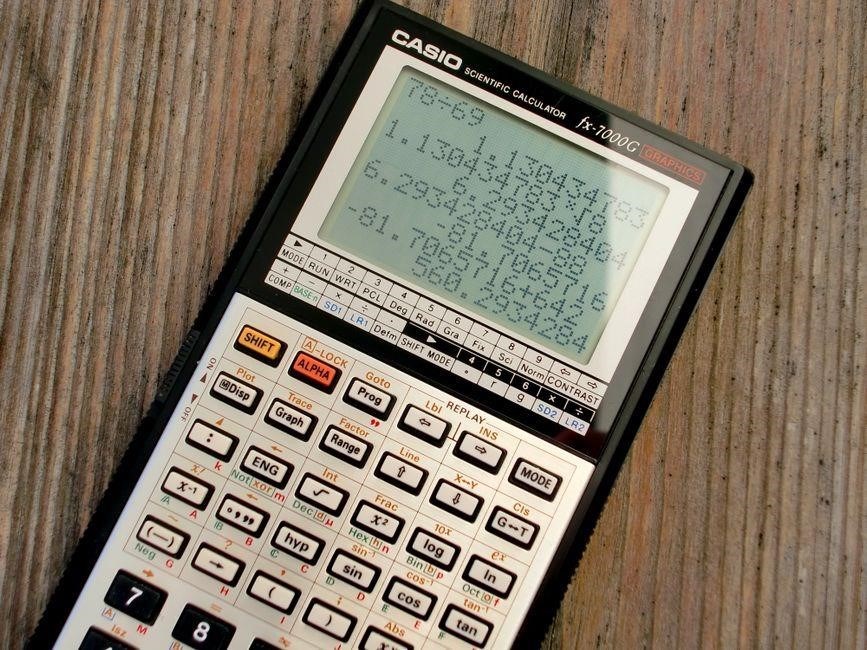
These worksheets compile common inverse trig problems, offering step‑by‑step solutions and downloadable PDFs․ They cover exact values, domain‑range checks, and composite evaluations, making them ideal for self‑study or classroom use․ Answers are provided for quick verification․ Perfect for exams․ Easy․!!

Resources for PDF Worksheets
Download free PDF worksheets from trusted math portals, university libraries, and open‑access sites․ Each file contains inverse trig problems with step‑by‑step solutions, ensuring clear formatting and instant access for teachers and students worldwide․ Perfect for exam prep andpractice
Educational Repositories and Libraries
Numerous educational repositories host high‑quality inverse trigonometric worksheets in PDF format, complete with answer keys․ The OpenStax library offers a comprehensive collection of trigonometry problem sets that include inverse function sections; each file is downloadable as a single PDF and is free to use under a Creative Commons license․ The MIT OpenCourseWare (OCW) platform provides lecture notes and problem sheets from the 18․06 and 18․06M courses, many of which feature inverse trig exercises with solutions․ The National Center for Education Statistics (NCES) hosts a repository of state‑level mathematics resources, where teachers can find PDF worksheets tailored to the Common Core standards, often accompanied by detailed answer keys․ The Khan Academy resource library, while primarily video‑based, also offers downloadable worksheets in PDF form that cover inverse sine, cosine, and tangent problems, which are organized by difficulty and include step‑by‑step solutions; Additionally, the University of Texas at Austin’s Mathematics Department maintains a public repository of problem sets, many of which focus on inverse trigonometric functions and provide answer keys in separate PDF files․ For educators seeking peer‑reviewed materials, the American Mathematical Society’s “Problem Solving” section offers a curated list of worksheets, each linked to a PDF with a complete solution set․ Lastly, the Open Education Resources (OER) Commons hosts a variety of trigonometry worksheets, including inverse function problems, and allows educators to download the PDFs directly, ensuring that the content is accessible to all students regardless of institutional affiliation․ These resources are regularly updated to reflect new curriculum standards, and many include interactive components that allow students to test their solutions immediately․ Enjoy! OK

Free Download Platforms
Students and teachers can access a wide array of free download platforms that host inverse trigonometric worksheets with answer keys․ The primary source is the OpenStax library, where each worksheet is available as a single PDF file and can be downloaded without registration․ Another popular platform is Teachers Pay Teachers, which offers a selection of free resources under the “Free” filter; educators can locate inverse trig worksheets by searching for “inverse sine” or “inverse cosine” and immediately download the PDF along with the solution set․ The National Council of Teachers of Mathematics (NCTM) website hosts a repository of downloadable worksheets that align with state standards, and many include inverse trigonometric problems with detailed answers․ CK-12 Foundation provides interactive worksheets that can be printed as PDFs; the platform’s search function allows users to filter by topic, ensuring that inverse trig problems are easily found․ The Math is Fun site offers printable worksheets for inverse functions, each accompanied by a step‑by‑step answer key in PDF format․ For those who prefer a more academic approach, the University of Michigan OpenCourseWare includes problem sets on inverse trigonometry that can be downloaded as PDFs, complete with solutions․ Finally, the OER Commons hosts a variety of open source worksheets; by selecting the “Inverse Trigonometric Functions” category, users can download multiple PDFs at once, each containing the full answer key․ These resources are updated yearly to reflect curriculum changes․ All these platforms provide high‑quality, ready‑to‑use materials that support both classroom instruction and independent study․ Enjoy! OKAdd․

Tips for Creating Answer Keys
Use clear labeling, step‑by‑step solutions, and consistent formatting․ Provide exact values, domain checks, and composite results․ Verify with calculator, cross‑check signs, and include a brief explanation for each answer․ Save as PDF for easy sharing․ Include a summary table and a QR code link for online solutions!!
Step-by-Step Solution Templates

When drafting answer keys for inverse trigonometric worksheets, a uniform template enhances clarity and reduces student confusion․ Begin each entry with the problem statement, then break the solution into discrete, numbered steps․ For exact‑value questions, list the reference angle, identify the quadrant, and apply the appropriate inverse function identity․ For composite‑function problems, first solve the inner function, then apply the inverse, and finally simplify any resulting expression․ Always include a brief justification for each step, such as “using the unit circle” or “applying the Pythagorean identity․” After the final numerical answer, add a verification line: substitute the answer back into the original function to confirm it satisfies the equation․ Conclude with a concise summary that highlights key learning points, such as domain restrictions or common sign errors․ Consistent formatting—bolding the problem, numbering steps, and italicizing the final answer—helps students quickly locate the solution path․ Finally, provide a QR code or link to a downloadable PDF of the full answer key for easy reference․ Use templates to streamline grading and save time․ quickly
Verification and Quality Assurance
To ensure every answer in an inverse‑trigonometric worksheet is accurate, educators should implement a multi‑layered review system․ First, cross‑check each numerical result against a reliable calculator or symbolic algebra tool; any discrepancy triggers a manual re‑examination of the algebraic steps․ Second, employ a peer‑review protocol where a second teacher or a senior student verifies the solution logic, focusing on domain, range, and sign conventions that often trip learners․ Third, run a random sampling test: select 10–15 problems, solve them independently, and compare with the published key․ If any mismatch occurs, trace the error back to the source—whether it was a transcription mistake, a mis‑applied identity, or an overlooked quadrant․ Fourth, use automated grading software that flags outliers or impossible values (e․g․, arcsin(2) or arccos(−2))․ Finally, maintain a version log: record the date, author, and any amendments made after each review cycle․ This documentation not only preserves academic integrity but also provides a learning audit trail for future revisions․ By integrating these checks, teachers can confidently distribute PDF worksheets with answers that uphold rigorous mathematical standards․