Greenstalk Planting Guide: A Comprehensive Overview (Updated 04/09/2026)
Today’s date is 04/09/2026 07:29:44. This guide details successful Greenstalk gardening, including varied plant choices, heat mitigation, and mobility solutions for optimal yields.
Greenstalk planters represent a revolutionary approach to gardening, particularly beneficial for those with limited space. These innovative vertical planters allow gardeners to cultivate a substantial amount of produce in a relatively small footprint, making them ideal for patios, balconies, and smaller yards. The tiered pocket design maximizes growing potential, offering a unique and aesthetically pleasing alternative to traditional row gardening.
Experienced Greenstalk users have successfully grown a diverse range of plants, from tomatoes and peppers to leafy greens and even strawberries, demonstrating the system’s versatility. However, careful planning is crucial, considering factors like sunlight exposure, soil requirements, and potential heat stress, especially when positioned on reflective surfaces like concrete. The Greenstalk system isn’t just about planting; it’s about understanding how to optimize vertical space for a bountiful harvest.
What is a Greenstalk Planter?
A Greenstalk planter is a modular, vertical gardening system designed for efficient and space-saving plant cultivation. Constructed with durable plastic, these planters feature a central core with strategically placed pockets surrounding its exterior. These pockets are where individual plants reside, creating a visually appealing and productive vertical garden. Greenstalks come in various tier configurations – from smaller 5-tier models with 30 pockets to larger 16-tier systems boasting 96 pockets – allowing gardeners to customize their growing capacity.
The design facilitates excellent drainage and airflow, promoting healthy root development. Accessories like the “Berry Cup” attachment further enhance functionality, specifically for strawberry propagation. While the initial investment includes the planter itself, optional base wheels are available for increased mobility, a feature some users find invaluable for managing sunlight exposure and plant rotation.
Benefits of Using a Greenstalk Planter
Greenstalk planters offer numerous advantages for gardeners, particularly those with limited space. Their vertical design maximizes growing potential in a small footprint, ideal for patios, balconies, or compact yards. The tiered structure promotes efficient use of sunlight, allowing multiple plants to thrive even with less-than-ideal exposure – though diligent rotation is beneficial.
Beyond space-saving, Greenstalks simplify gardening tasks. Reduced bending minimizes strain, and the contained pockets require less weeding compared to traditional gardens. The system’s design also aids in pest and disease management by improving airflow. Experienced users report successful cultivation of diverse crops, from tomatoes and peppers to strawberries and leafy greens, demonstrating the planter’s versatility. Mobility, with optional base wheels, adds another layer of convenience.
Planning Your Greenstalk Garden
Careful planning is key! Consider planter size, sunlight availability, and appropriate soil mixes to ensure a thriving, productive vertical garden experience this season.
Choosing the Right Greenstalk Size (Tier Count)
Determining the ideal Greenstalk size—specifically, the number of tiers—is crucial for successful vertical gardening. A smaller unit, like a 5-tier (30-pocket) planter, is excellent for beginners or limited spaces, allowing for a diverse range of plants, as demonstrated by one gardener’s successful 30-pocket setup. However, for more ambitious growers, larger configurations, such as the 16-tier (96-pocket) systems, offer expanded planting capacity.
Consider your available space, the variety of plants you intend to grow, and your gardening experience. Larger Greenstalks require significantly more soil and diligent attention to watering and rotation. While a single, well-managed unit can be highly productive, multiple smaller units might be preferable if consistent rotation or localized plant needs are a concern. Remember, base wheels are an additional purchase to enhance mobility, especially for larger, heavier Greenstalks.
Assessing Sunlight Exposure
Optimal sunlight exposure is paramount for thriving Greenstalk gardens. Most vegetables and fruits require at least six to eight hours of direct sunlight daily. Carefully observe your chosen location throughout the day to map sunlight patterns. If full sun isn’t achievable, select shade-tolerant plants or be prepared to diligently rotate the Greenstalk to ensure even light distribution to all tiers.
A critical consideration is reflected and radiated heat, particularly if the Greenstalk is positioned on concrete. Lower tiers can suffer from excessive heat buildup, potentially damaging plants. Mitigating this requires strategic placement, shading, or innovative cooling solutions. Remember, consistent sun exposure around the entire planter is ideal, but not always attainable; careful plant selection and rotation are key to success.
Understanding Soil Requirements for Greenstalks
Greenstalk planters demand a well-draining, nutrient-rich soil mix. Standard garden soil is often too dense and can compact within the pockets, hindering root development. A soilless mix, comprised of peat moss, perlite, and vermiculite, is highly recommended. Incorporating compost provides essential nutrients and improves water retention. The quantity of soil needed is substantial; a 30-pocket (5-tier) Greenstalk requires a significant volume.
Consider adding slow-release fertilizer to the mix to provide sustained nourishment throughout the growing season. Regularly monitor soil moisture levels, as Greenstalks can dry out quickly, especially in warmer climates. Proper soil preparation is crucial for healthy plant growth and abundant harvests within your vertical garden system.
Plant Selection for Greenstalks
Diverse options thrive vertically! Tomatoes, peppers, beans, leafy greens, strawberries, and unique choices like ground cherries and Malabar spinach flourish in Greenstalk planters.
Best Vegetables for Greenstalk Planting
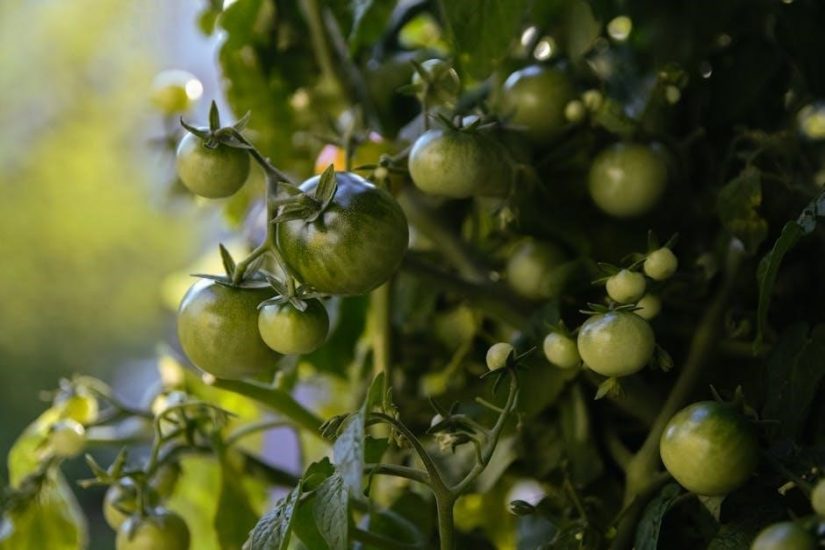
Greenstalk planters excel with a variety of vegetables, maximizing space and yield. Tomatoes perform well, though variety selection is crucial for climate suitability – avoid those that struggle in your region. Peppers are ideal, thriving in the vertical environment. Bush beans are a fantastic choice, offering prolific harvests within the pockets. Don’t overlook leafy greens like Swiss chard and spinach, providing continuous harvests for salads and cooking.
Eggplant and other nightshades can also be grown, but consider potential heat stress on lower tiers, especially when positioned on concrete. Experimentation is key! One gardener successfully grew Luffa within their Greenstalk setup. Remember, a 30-pocket Greenstalk accommodated 4 tomatoes, 6 peppers, 6 bush beans, 2 dill, 2 basil, and more, demonstrating the system’s versatility. Consider trying zucchini, squash, and cucumber for expanded options.
Tomatoes in Greenstalks: Varieties & Considerations
Growing tomatoes vertically in a Greenstalk offers space-saving benefits, but careful variety selection is paramount. Determinate or bush varieties are generally preferred over indeterminate vining types, as they require less pruning and support within the pockets. However, success hinges on climate compatibility; choosing varieties that thrive in your local conditions is essential. One gardener experienced failure with poorly suited varieties, highlighting this crucial point.
Consider factors like heat tolerance, disease resistance, and days to maturity. Smaller fruited varieties, like cherry or grape tomatoes, often perform exceptionally well. Ensure adequate sunlight exposure for optimal fruit development. Be mindful of potential heat buildup, particularly on lower tiers, and provide shade if necessary. Regular monitoring and appropriate watering are vital for healthy tomato plants in a Greenstalk system.
Peppers: Ideal Choices for Vertical Growing
Peppers are exceptionally well-suited for Greenstalk planters, demonstrating robust growth and prolific yields in vertical setups. Their manageable size and relatively compact growth habit make them a perfect fit for the Greenstalk’s pocket system. A gardener successfully cultivated six pepper plants within a single five-tier Greenstalk, showcasing their adaptability. Both sweet and hot pepper varieties thrive, offering diverse culinary options.
Consider choosing compact or bush-type pepper plants for optimal results. Ensure adequate sunlight exposure, as peppers require at least six to eight hours of direct sunlight daily. Monitor soil moisture levels closely, as peppers prefer consistently moist, but not waterlogged, conditions. Like tomatoes, be aware of potential heat stress on lower tiers, especially when positioned on reflective surfaces like concrete.
Beans & Legumes: Bush Bean Success
Bush beans are a fantastic choice for Greenstalk planters, offering a high yield in a compact space. A gardener reported excellent success with six bush bean plants in a five-tier system, even with a delayed start and challenging heat conditions. Pole beans, while potentially viable, are generally less suited due to their vining nature and potential to overwhelm the structure.
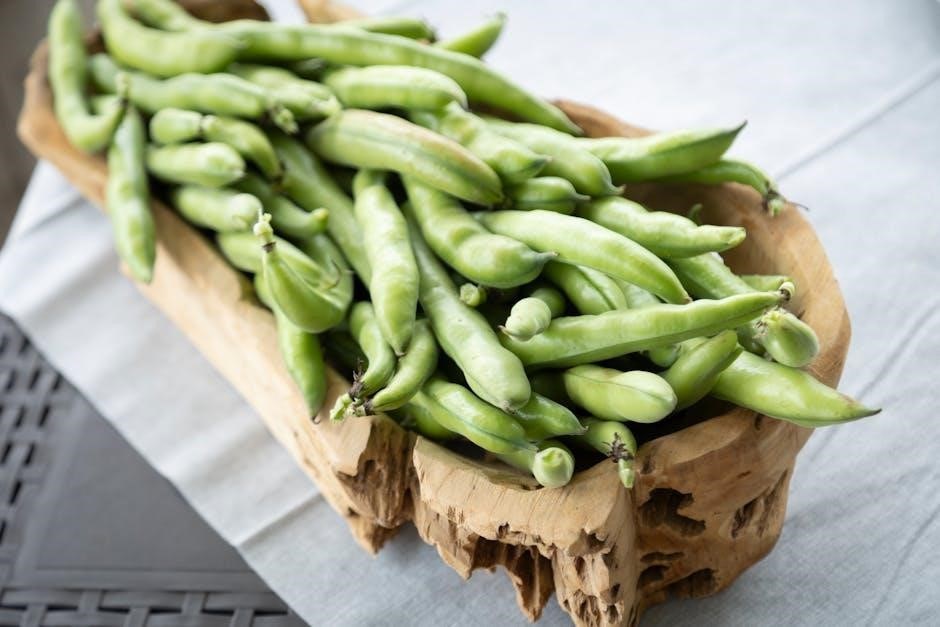
Ensure consistent moisture for optimal bean production, as they are sensitive to drought stress. The Greenstalk’s pocket system facilitates even watering and drainage. Consider succession planting to extend the harvest season. Regularly check for common bean pests and address them promptly. Bush beans are relatively low-maintenance, making them ideal for beginner Greenstalk gardeners seeking a rewarding and productive crop.
Leafy Greens: Swiss Chard, Spinach & More
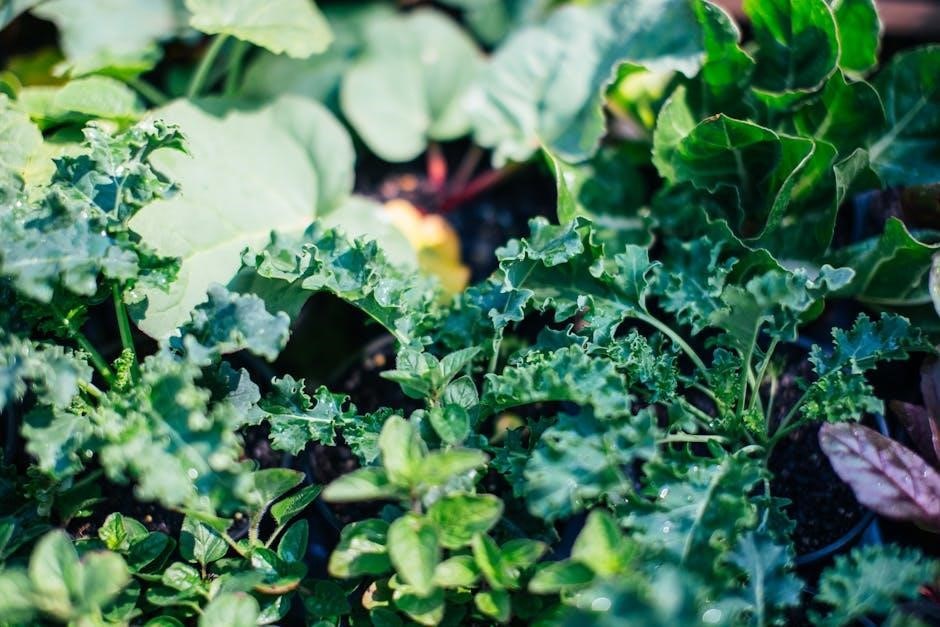
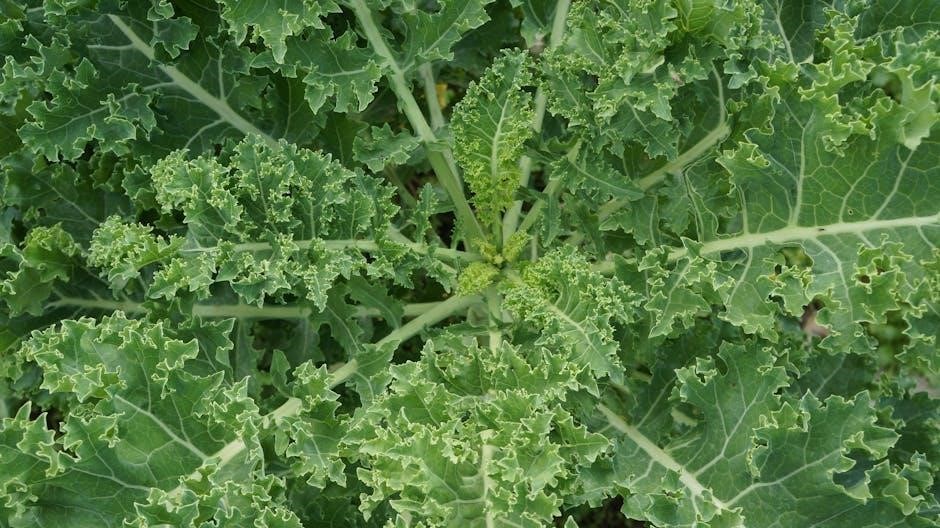
Leafy greens thrive in the Greenstalk’s vertical environment, providing a continuous harvest of fresh produce. A successful gardener included two Swiss chard plants within their 30-pocket system, demonstrating the viability of these crops. Spinach, along with other salad greens, also performs well, benefiting from the consistent moisture and well-drained soil provided by the planter’s pockets.
Consider the sunlight requirements of each green; lower tiers may receive less direct light, so choose shade-tolerant varieties or rotate the Greenstalk regularly. Succession planting is highly recommended to ensure a steady supply throughout the growing season. Monitor for pests like aphids and address them with organic solutions. Leafy greens are a quick and rewarding addition to any Greenstalk garden.
Eggplant & Other Nightshades
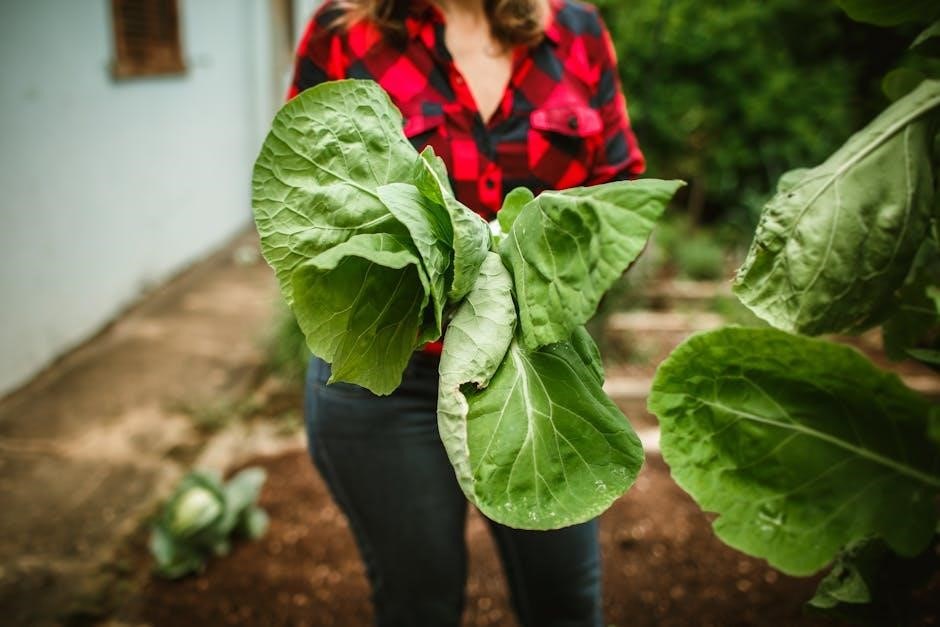
While potentially successful, growing eggplants in a Greenstalk requires careful consideration. One gardener experienced limited success with eggplant, attributing it to selecting varieties unsuitable for their climate. Nightshades, as a family, can be more demanding in terms of consistent moisture and nutrient availability. Ensure adequate watering, especially during hot weather, and supplement with a balanced fertilizer.
Positioning eggplants in higher tiers, receiving more direct sunlight, is advisable. Be mindful of potential heat stress, particularly if the Greenstalk is placed on concrete. Companion planting with basil can offer some pest protection. Experimentation with different eggplant varieties is key to finding those that thrive in the Greenstalk’s unique growing conditions.
Fruits Suitable for Greenstalks
Strawberries are exceptionally well-suited for Greenstalks, particularly when utilizing the “Berry Cup” attachment designed for rooting runners. This accessory allows for continuous strawberry propagation and succession planting within the vertical structure. Ground cherries represent a more unique and intriguing option, demonstrating good success for one gardener. They offer a slightly tart, pineapple-like flavor and thrive in the Greenstalk’s pockets.
However, attempting larger fruits like watermelon within a Greenstalk is an experimental endeavor. Success will heavily depend on variety selection, robust support, and diligent monitoring of nutrient and water requirements. Consider the weight distribution as the fruit develops. Careful planning and a willingness to experiment are crucial for fruit cultivation.
Strawberries & the Berry Cup Attachment
Strawberries flourish in Greenstalk planters, and the dedicated “Berry Cup” attachment significantly enhances cultivation. These cups, designed to attach directly to Greenstalk pockets, provide an ideal environment for rooting strawberry runners, enabling effortless propagation and continuous harvests. Each set includes six cups, each featuring a bottom drainage hole to prevent overwatering and promote healthy root development.
The Berry Cups facilitate succession planting, allowing you to continually introduce new plants as older ones mature. This maximizes space utilization and extends the strawberry season. Utilizing this system, gardeners can enjoy a consistent supply of fresh, homegrown strawberries throughout the growing period, capitalizing on the Greenstalk’s vertical design;
Ground Cherries: A Unique Greenstalk Option
Ground cherries present a fascinating and relatively uncommon, yet highly rewarding, crop for Greenstalk vertical planters. These small, golden-colored fruits, encased in a papery husk, offer a unique sweet-tart flavor perfect for pies, jams, or simply enjoyed fresh. Their trailing growth habit makes them exceptionally well-suited to the Greenstalk’s pocket system, allowing the vines to cascade downwards.
Successful cultivation involves providing adequate support as the plants mature and fruit develops. The Greenstalk’s structure naturally assists with this, but gentle guidance may be needed. Gardeners reported good success with ground cherries even when planting was delayed, demonstrating their adaptability. Consider incorporating them for a delightful and unusual addition to your vertical garden harvest.
Herbs to Grow Vertically
Herbs thrive in Greenstalk planters, offering a convenient and space-saving way to cultivate fresh flavors. Basil and dill are excellent companion plants, benefiting from the Greenstalk’s structure and providing culinary synergy. Consider interplanting them to enhance growth and deter pests. Beyond the common choices, explore less conventional herbs like Malabar spinach, a heat-tolerant leafy green with a slightly mucilaginous texture, perfect for salads or cooked dishes.
The Greenstalk’s pockets provide excellent drainage and aeration, crucial for healthy herb growth. Regular harvesting encourages bushier growth and prevents flowering, maximizing leaf production. Experiment with different herb combinations to create a personalized vertical herb garden, readily accessible for all your culinary needs.
Basil & Dill: Companion Planting
Basil and dill demonstrate exceptional synergy when grown together in a Greenstalk planter, embodying the principles of companion planting. Dill acts as a beneficial insectary, attracting predatory wasps and ladybugs that control aphids and other pests often targeting basil. Conversely, basil is believed to improve dill’s growth and flavor, creating a mutually beneficial relationship.
Within the Greenstalk’s pockets, alternate basil and dill plants for optimal interaction. The vertical structure maximizes space utilization, allowing for a dense planting that further enhances their combined benefits. Regular harvesting of both herbs encourages bushier growth and continuous production throughout the growing season. This pairing delivers both culinary delight and natural pest management.
Malabar Spinach & Other Unusual Herbs
Venturing beyond traditional herbs, the Greenstalk excels at supporting unique varieties like Malabar spinach, a heat-tolerant alternative to common spinach. Unlike its cooler-weather counterpart, Malabar spinach thrives in warmer climates, making it ideal for Greenstalks exposed to reflected heat – a common concern. Its vining habit beautifully cascades down the planter’s pockets, creating an attractive display.
Experiment with other less common herbs such as lovage, Vietnamese coriander, or even epazote. The Greenstalk’s individual pockets allow for isolating these potentially vigorous growers, preventing them from overtaking more delicate plants. Remember to research each herb’s specific needs regarding sunlight and watering to ensure successful cultivation within the vertical system.
Planting & Maintenance
Proper soil filling, consistent watering, heat management, rotation, and vigilant pest control are crucial for thriving Greenstalk gardens and bountiful harvests.
Filling the Greenstalk Pockets with Soil
Successfully filling your Greenstalk planter is paramount for healthy plant development. These vertical gardens require a substantial amount of soil, a factor to consider before starting. Ensure you use a high-quality potting mix, avoiding garden soil which can compact and hinder drainage.
Begin by gently packing the soil into each pocket, ensuring it’s firm enough to support the plant roots but not overly compressed. A consistent soil density across all pockets is vital for even moisture distribution and root growth. Don’t skip pockets; a fully filled Greenstalk maximizes planting space and potential yield.
Remember, a 5-tier Greenstalk (30 pockets) will need a significant volume of soil – plan accordingly! Consider pre-mixing your potting mix with slow-release fertilizer to provide essential nutrients throughout the growing season. Thoroughly moisten the soil before filling the pockets to reduce dust and aid in compaction.
Watering Techniques for Greenstalks
Consistent and effective watering is crucial for Greenstalk success. Due to the vertical nature and pocket design, water tends to drain quickly, requiring frequent monitoring. Avoid simply watering the top, as lower pockets may dry out. Instead, utilize a gentle watering can or soaker hose to evenly saturate the soil throughout the entire structure.
Water deeply when the top inch of soil feels dry to the touch. Observe the drainage – ensure water is exiting the bottom pockets, indicating thorough saturation. In hot climates, or when using dark-colored Greenstalks on concrete, daily watering may be necessary to combat evaporation and reflected heat.
Consider a watering schedule adjusted to weather conditions and plant needs. Mulching the soil surface within each pocket can help retain moisture. Regularly inspect plants for signs of underwatering (wilting) or overwatering (yellowing leaves).
Addressing Heat Issues & Reflected Sunlight
Heat stress is a significant concern, particularly in warmer climates and with Greenstalks placed on surfaces like concrete. Reflected and radiated heat can severely impact plants in the lower tiers, leading to scorching and reduced yields. Mitigation strategies are essential for optimal growth.
Consider relocating the Greenstalk to a spot with afternoon shade, or providing temporary shade during peak heat hours using shade cloth. Painting the Greenstalk a lighter color can reduce heat absorption. Experiment with reflective materials placed around the base to deflect sunlight away from lower pockets.
Increased watering frequency is vital during heat waves. Mulching the soil surface within pockets helps retain moisture and regulate temperature. Monitor plants closely for signs of heat stress – wilting, leaf burn – and adjust accordingly. A solution is being developed to address this issue.
Rotating the Greenstalk for Even Growth
Uneven sunlight exposure is a common challenge with vertical planters like the Greenstalk. Plants on one side may receive significantly more light than those on the opposite side, leading to imbalanced growth and reduced yields. Regular rotation is crucial to ensure all plants thrive.
Ideally, rotate the Greenstalk a quarter turn every few days to provide consistent light to all pockets. This is particularly important if the planter doesn’t receive full, all-around sunlight. Diligence is key, but can be time-consuming.
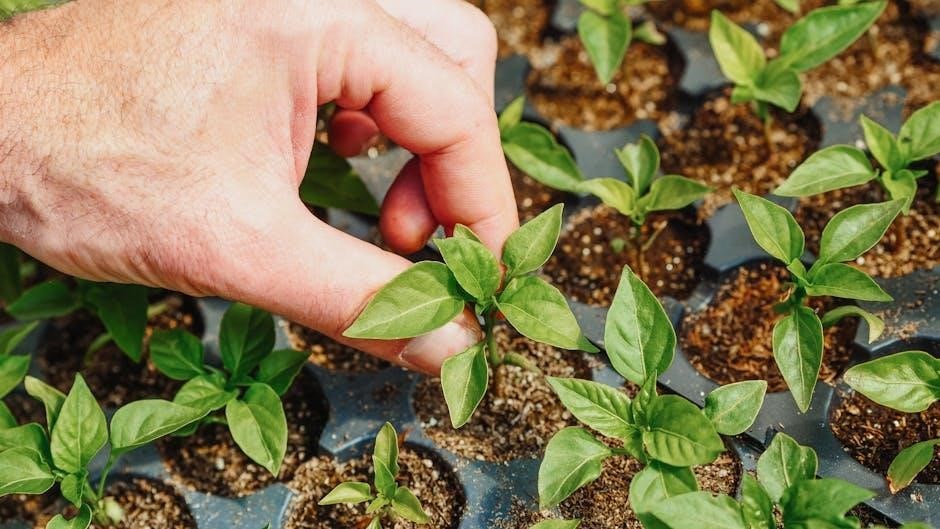
If consistent rotation isn’t feasible, prioritize plants with higher light requirements to the sunnier side. Consider using base wheels to facilitate easier rotation. Observe plant growth patterns and adjust rotation frequency as needed to address any imbalances.
Pest & Disease Management in Vertical Gardens
Greenstalk planters, while offering benefits, aren’t immune to pests and diseases. Regular inspection is vital for early detection. Common pests include aphids, whiteflies, and spider mites, which can quickly infest the dense foliage.
Employ preventative measures like companion planting (basil and dill are helpful) and ensuring good air circulation. Organic pest control methods, such as insecticidal soap or neem oil, are preferred. Monitor for fungal diseases, especially in humid conditions.
Remove any infected leaves promptly to prevent spread. Avoid overcrowding plants, as this restricts airflow and encourages disease. Proper watering techniques – avoiding wet foliage – also minimize fungal risks. Consistent monitoring and proactive intervention are key to a healthy Greenstalk garden.
Advanced Greenstalk Techniques
Explore succession planting, unusual crops like zucchini, and mobility solutions with base wheels to maximize your Greenstalk’s potential and extend harvests.
Succession Planting Strategies
Maximizing your Greenstalk’s productivity hinges on strategic succession planting. As one crop finishes, immediately replace it with another, ensuring continuous harvests throughout the growing season. Consider the maturity rates of different plants; fast-growing leafy greens can follow slower-developing tomatoes or peppers.
The Berry Cup attachment offers a fantastic opportunity for strawberry runner propagation, enabling a continuous supply of new plants. Utilize pockets that become available after early harvests for quick-maturing crops like radishes or spinach. Don’t be afraid to experiment! The original poster successfully grew a diverse range of plants, demonstrating the flexibility of this method.
Planning is key. Map out your planting schedule, considering climate and plant needs. This ensures a steady flow of fresh produce from your vertical garden, optimizing space and yield. Remember, the Greenstalk’s pockets are ideal for this iterative planting approach.
Experimenting with Less Common Crops (Zucchini, Squash, Cucumber)
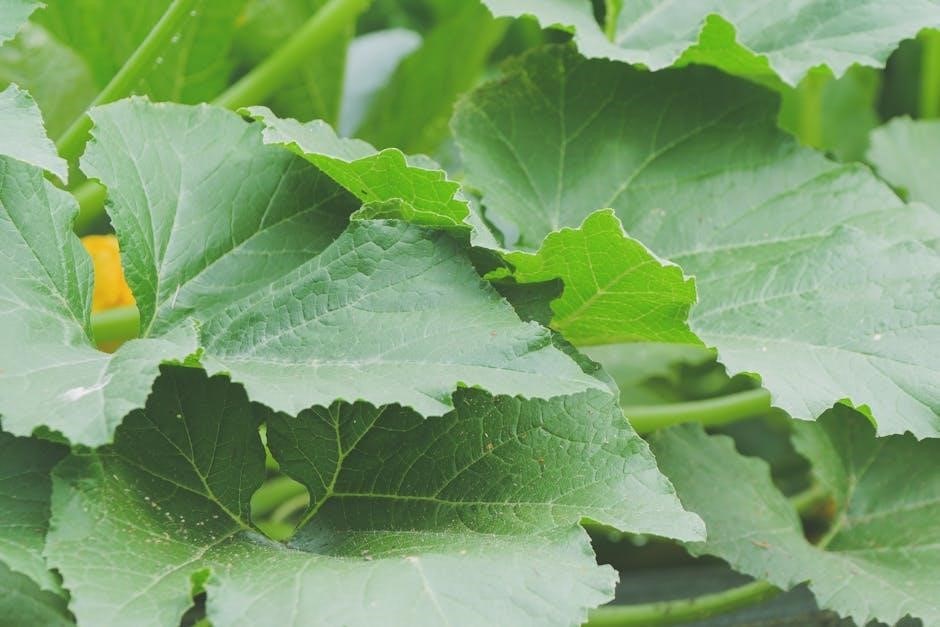
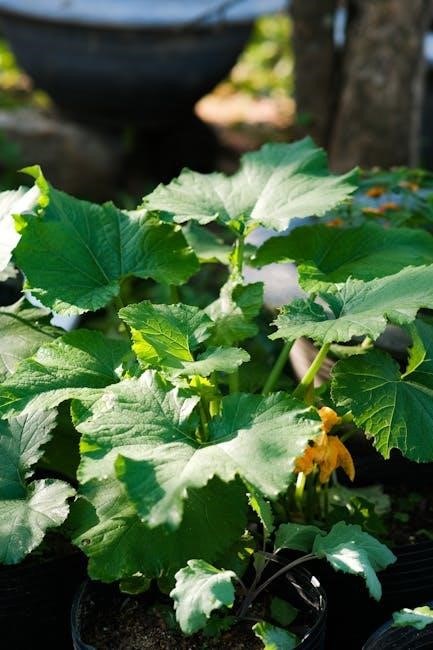
While tomatoes, peppers, and beans are popular choices, don’t limit yourself! Greenstalks can accommodate less conventional crops like zucchini, squash, and cucumbers, though success requires careful consideration. These vining plants need robust support and may require more frequent watering due to increased foliage.
The original poster is currently trialing these crops, demonstrating a willingness to push the boundaries of Greenstalk gardening. Smaller, bush varieties of squash and cucumber are preferable to sprawling vines. Monitor plant growth closely and provide additional support if needed.
Watermelon is also being tested, showcasing the potential for surprising harvests. Remember that adequate sunlight exposure is crucial for these demanding plants. Experimentation is key to discovering what thrives in your specific climate and setup!
Using Base Wheels for Mobility
Greenstalk planters, when fully loaded with soil and plants, can become quite heavy and difficult to move. Base wheels offer a practical solution, providing enhanced mobility for easier rotation and repositioning. This is particularly beneficial for maximizing sunlight exposure across all tiers, ensuring even growth for all plants.
The original poster notes that base wheels are an additional purchase, not included with the planter itself. Consider this extra cost when budgeting for your Greenstalk garden. Regular rotation is recommended to prevent plants from leaning excessively towards the sun, but can be challenging without wheels.
Wheels allow for effortless adjustments, especially crucial when addressing issues like reflected heat from surfaces like concrete, as highlighted by experienced growers.