
Corral Boots Size Guide: A Comprehensive Overview (Updated February 18, 2026)
Navigating Corral boot sizing requires understanding nuances beyond standard shoe sizes; consider toe shapes, materials, and individual foot characteristics for optimal comfort and fit.
Understanding Corral Boot Sizing
Corral boots, celebrated for their Western style, present unique sizing considerations. Unlike typical shoe brands, Corral’s fit can vary due to construction and intended use – often geared towards riding and ranch work. Understanding these nuances is crucial for a comfortable experience. The brand utilizes standard US sizing, but factors like toe shape (snip, round, square) significantly impact how a boot feels.
Leather composition also plays a role; leather stretches and molds to the foot over time. Corral boots often feature a narrower heel and a more defined arch, influencing fit. Accurate foot measurement, considering both length and width, is paramount. Referencing Corral’s specific size charts, categorized by gender, is highly recommended before purchasing.
Corral Boot Fit: Key Considerations
Achieving the perfect Corral boot fit extends beyond simply matching your usual shoe size. Consider the intended use – daily wear versus riding – as this impacts desired snugness. Foot volume is critical; a higher instep may require a wider width or a boot designed for more volume.
Pay attention to sock thickness, as thicker socks will reduce space within the boot. The toe box shape is also vital; a snip toe offers a more streamlined fit, while a square toe provides greater room. Leather’s break-in period is a factor; boots will conform to your feet over time. Prioritize a fit that feels supportive yet allows for comfortable movement.
Standard US Shoe Sizes vs. Corral Boot Sizes
Corral boots generally adhere to standard US shoe sizing, but subtle variations can occur. It’s not uncommon to find a slight difference compared to athletic shoe brands. Many users report needing to size up a half size, particularly if opting for boots with a pointed toe or planning to wear thicker socks.
However, this isn’t a universal rule; individual foot shape and the specific boot style play significant roles. Always consult the official Corral size chart (specific to gender) and prioritize measuring your feet accurately. Relying solely on your usual shoe size can lead to an ill-fitting and uncomfortable experience.
Width Options Available in Corral Boots

Corral boots cater to a range of foot widths, recognizing that not all feet are created equal. Typically, they offer Narrow, Medium (B), and Wide (D) widths to accommodate diverse foot shapes. Narrow widths are ideal for those with slender feet, preventing excessive movement within the boot.
The Medium (B) width suits most individuals, providing a balanced fit. Wide (D) widths are designed for those with broader feet, ensuring comfort and preventing pinching. Determining your correct width is crucial for avoiding discomfort and potential foot problems. Accurate foot measurement is key to selecting the appropriate width.
Narrow Widths
Corral’s narrow width boots are specifically crafted for individuals with more slender feet. These boots, often designated with a letter code, prevent uncomfortable side-to-side movement within the boot shaft. A snug, secure fit is the primary goal, eliminating slippage and enhancing overall comfort during wear.
If you consistently find standard width boots too loose, a narrow width is likely the solution. Proper measurement of foot width is essential before purchasing. Narrow widths minimize rubbing and potential blisters, providing a more enjoyable experience. Consider this option if you typically wear narrow sizes in other footwear brands.
Medium (B) Widths
Corral’s medium (B) width boots represent the standard fitting option, accommodating the majority of foot shapes. This width is a reliable choice for those who don’t typically require extra space or a narrower fit. These boots offer a balanced combination of comfort and support, suitable for extended wear.
If you’ve consistently found standard widths comfortable in other shoe brands, the medium (B) width in Corral boots is a safe bet. Ensure your foot isn’t overly constricted or swimming within the boot. A proper fit will provide adequate room without excessive movement, enhancing stability and preventing discomfort during activity.
Wide (D) Widths
Corral’s wide (D) width boots are specifically designed for individuals with broader feet, providing enhanced comfort and preventing constriction. If you typically require wide sizes in other footwear, opting for a D width in Corral boots is crucial for a proper fit. These boots offer ample room across the forefoot and instep, minimizing pressure points and maximizing all-day comfort.
Don’t hesitate to choose a wide width if you experience discomfort or tightness in standard or medium-width boots. A well-fitting boot shouldn’t pinch or rub, allowing for natural foot movement. Prioritize comfort and support to avoid blisters and fatigue, especially during prolonged wear or activity.
Measuring Your Feet for Corral Boots
Accurate foot measurements are paramount when selecting the correct Corral boot size. Begin by tracing your foot on a piece of paper, wearing the socks you intend to wear with your boots. Measure the length from heel to the longest toe, and the width at the broadest part of your foot. Repeat on both feet, as sizes can vary.
Always use the larger measurement when determining your size. Consider measuring later in the day, as feet tend to swell throughout the day. Precise measurements, combined with Corral’s size charts, will significantly improve your chances of finding the perfect fit, ensuring both comfort and style.
How to Accurately Measure Foot Length
To measure foot length effectively, place a piece of paper flat against a wall. Stand with your heel against the wall and trace the outline of your foot. Ensure your pencil is held vertically for accuracy. Measure the distance from the wall to the tip of your longest toe in inches or centimeters.
Repeat this process for both feet, as slight variations are common. Use a ruler or measuring tape, and be as precise as possible. Record the larger of the two measurements, as this will be your primary sizing reference. This length measurement is crucial for matching your foot to Corral’s boot size charts.
How to Accurately Measure Foot Width
Measuring foot width is essential for a comfortable Corral boot fit. After tracing your foot length, identify the widest part of your foot – typically across the ball. Use a ruler to measure the distance between the two furthest points on either side of your foot at this widest point.
Record this measurement in inches. Corral boots offer various width options, so knowing your foot width is vital. Compare your measurement to Corral’s width chart (Narrow, Medium, Wide) to determine the best fit. Accurate width measurement prevents discomfort and ensures proper boot support.
Corral Boot Size Charts by Gender
Corral Boot sizing differs between men and women, necessitating separate size charts for accurate selection. Women’s charts typically correlate with standard US women’s shoe sizes, but variations exist based on boot style and toe shape. Men’s charts follow a similar pattern, aligning with standard US men’s sizes.
Consulting the official Corral website or a retailer’s size guide is crucial. These charts provide detailed conversions between US, European, and UK sizes. Always prioritize measuring your feet and comparing those measurements to the specific chart for the gender and boot style you’re considering.
Women’s Corral Boot Size Chart
The Women’s Corral Boot size chart generally aligns with standard US women’s shoe sizing, but subtle differences can occur. Sizes typically range from 4.5 to 11.5, including half sizes for a more precise fit. Foot length, measured in inches or centimeters, is the primary determinant. Corral charts correlate foot length with corresponding boot sizes.
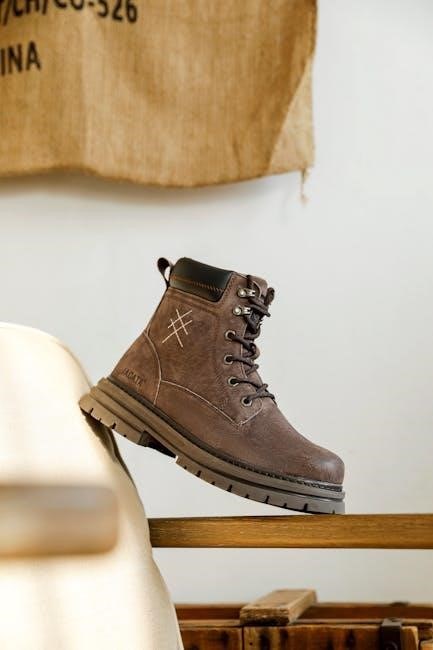
Consider toe shape; snip and round toe boots may require slight adjustments. Width is also crucial, with options ranging from narrow to wide. Refer to the official Corral website for the most up-to-date and detailed chart, as variations exist between styles. Accurate measurement is key to avoiding sizing errors.
Men’s Corral Boot Size Chart
The Men’s Corral Boot size chart typically spans sizes 7 to 13, often including half sizes to accommodate varying foot lengths. Accurate foot measurement – both length and width – is paramount for a comfortable fit. Corral’s charts directly link these measurements to corresponding boot sizes. Men should measure their feet while wearing typical sock thickness.

Pay attention to boot style; square toe boots might necessitate a slightly different size than round or snip toe variations. Width options (B, D, EE) are crucial for wider feet. Consult the official Corral website for the most current and comprehensive sizing information, as styles can differ. Proper fit enhances both comfort and performance.
Specific Corral Boot Styles and Their Fit
Corral boot styles significantly impact fit. Snip toe boots, known for their pointed shape, often require a slightly longer size to avoid toe cramping, allowing ample room. Round toe boots generally offer a more forgiving fit, aligning closely with standard sizing. Square toe Corral boots, however, tend to run a bit wider, potentially needing a narrower width option for a secure feel.
Consider the boot’s vamp height and overall construction. Higher vamps may feel snugger. Always prioritize comfort and allow for sock thickness. Referencing style-specific reviews can provide valuable insights from other customers regarding fit nuances.
Snip Toe vs. Round Toe Fit
Snip toe boots, with their elongated, pointed toe, frequently necessitate a half-size increase compared to your usual size. This adjustment accommodates the toe’s length, preventing discomfort and ensuring adequate space. Prioritize length over tightness; a slightly longer boot is preferable to a cramped toe.

Round toe boots, conversely, generally adhere to standard sizing. They offer a more relaxed fit, accommodating a wider range of foot shapes without requiring size adjustments. However, consider sock thickness when determining the ideal fit. Always try on boots with the socks you intend to wear.
Square Toe Corral Boots: Sizing Notes
Square toe Corral boots present a unique fitting consideration due to their broader toe box. Many individuals find they require a half-size down compared to their standard size or the sizing needed for snip or round toe styles. This is because the square shape offers more volume, potentially leading to slippage if sized correctly.
Focus on heel hold; a secure heel is crucial for comfort and stability. Ensure minimal heel lift when walking. Consider the boot’s material – leather will stretch, while synthetic materials maintain their shape. Always prioritize a snug, yet comfortable fit in the toe box.
Dealing with Half Sizes in Corral Boots
Navigating half sizes with Corral boots can be tricky. If you typically wear a half size in other brands, it’s often recommended to round up to the nearest whole size in Corral boots, especially with leather styles that will mold to your foot. However, avoid simply assuming – individual styles vary.
Prioritize fit over label size. Consider wearing the socks you intend to wear with the boots during the fitting process. A snug, but not constricting, fit is ideal. If between sizes, err on the larger side and utilize insoles for a more customized fit, ensuring optimal comfort and preventing blisters.

Corral Boots for Different Foot Types
Accommodating diverse foot types is crucial for Corral boot comfort. Individuals with high arches may benefit from boots with ample instep support or adding arch supports. Look for styles with a contoured footbed. Conversely, those with flat feet might require boots with more cushioning and stability, potentially needing orthotics for optimal alignment.
Consider the toe box shape; wider toe boxes can alleviate pressure. Leather boots offer more adaptability, molding to the foot over time. Experiment with different widths to find the best fit, prioritizing comfort and preventing discomfort during extended wear.
High Arches
For those with high arches, finding Corral boots that provide adequate support is paramount. Insufficient support can lead to discomfort and fatigue. Seek out boots featuring a contoured footbed that cradles the arch, distributing pressure evenly. Consider adding aftermarket arch supports or insoles for customized comfort.
A snug, but not tight, fit is essential; avoid boots that compress the arch. Leather Corral boots can be advantageous, as they mold to the foot’s shape over time. Pay attention to the instep area, ensuring sufficient clearance and avoiding constriction.
Flat Feet
Individuals with flat feet often require Corral boots with enhanced stability and arch support to prevent overpronation and discomfort. Look for boots featuring a firm, supportive midsole and a wider last to accommodate the foot’s natural spread. Avoid styles with minimal arch support or overly flexible soles.
Consider insoles designed specifically for flat feet, providing additional cushioning and arch reinforcement. Ensure a secure heel fit to minimize slippage and enhance stability. Leather boots can conform to the foot, but may still necessitate supportive inserts for optimal comfort during extended wear.
Common Corral Boot Sizing Issues & Solutions

Frequently encountered issues with Corral boots include tightness across the instep or width, and heel slippage. For boots that are too tight, consider a boot stretcher, focusing on areas causing discomfort. Thin socks can also provide extra space. If boots are too loose, thicker socks or heel inserts can improve the fit.
Break-in periods are crucial for leather boots; use leather conditioners to soften the material. Persistent discomfort may indicate incorrect sizing, necessitating an exchange. Always prioritize a comfortable, secure fit to prevent blisters and long-term foot problems. Professional fitting is highly recommended.
Boots Too Tight
Experiencing tightness in your Corral boots is common, especially with genuine leather. Initial discomfort often diminishes during the break-in period. However, persistent tightness requires intervention. Consider using a boot stretcher, specifically targeting the areas causing pressure – instep, width, or toe box.
Thin socks can create valuable space, but avoid compromising support. Leather conditioners soften the material, aiding expansion. If stretching fails, explore exchanging for a half size larger or a wider width. Ignoring tightness can lead to blisters and foot pain; prioritize comfort and proper fit.

Boots Too Loose
Dealing with Corral boots that feel too spacious requires strategic solutions. Thick socks are the first line of defense, providing cushioning and reducing internal volume. Consider adding an insole – a full or ¾ length option – to take up excess space and improve fit. Tongue pads can also minimize heel slippage.
For significant looseness, explore boot fit pads specifically designed for western boots. Ensure the looseness isn’t due to incorrect width; a narrower width might be necessary. Avoid prolonged wear of overly loose boots, as this can cause instability and potential injury. Prioritize a secure, comfortable fit.
Corral Boot Materials and Their Impact on Fit
Corral boots utilize diverse materials, each influencing fit differently. Leather Corral boots, renowned for their durability, exhibit a degree of stretch and mold to the foot over time, requiring a snug initial fit. Expect break-in; a slightly tighter feel will yield a personalized, comfortable experience.
Conversely, synthetic Corral boots generally maintain consistent sizing, offering less stretch. Prioritize accurate measurements and avoid assuming room for expansion. Synthetic materials often provide a more predictable fit from the outset. Consider the lining; softer linings enhance comfort, while stiffer ones may require a longer break-in period.
Leather Corral Boots: Stretch and Break-In
Genuine leather Corral boots are celebrated for their ability to conform to the wearer’s foot, but this necessitates understanding the break-in process. Expect some initial tightness, particularly across the width and instep. Leather will stretch – approximately half a size in length and a full size in width – with consistent wear.
Gradual break-in is key; wear the boots for short periods initially, increasing duration as comfort improves. Utilize leather conditioners to maintain suppleness and accelerate the process. Thick socks can aid in stretching, but avoid overstretching, which can compromise the boot’s structure.
Synthetic Corral Boots: Consistent Sizing
Corral boots crafted from synthetic materials generally offer more predictable sizing compared to leather counterparts. Synthetic uppers exhibit minimal stretch, meaning the initial fit closely resembles the final fit. Therefore, accurate foot measurement is paramount when selecting a size.
Avoid assuming a “break-in” period; if the boots feel too tight initially, a larger size is typically recommended. Synthetic materials are less susceptible to changes in shape due to moisture or wear. This consistency simplifies the sizing process, reducing the likelihood of needing returns or exchanges.
Comparing Corral Boot Sizes to Other Western Brands
Corral boot sizing can differ subtly from other popular Western boot manufacturers. Generally, Corral tends to run true to size, but some users report a slightly narrower fit, particularly in the instep. Brands like Ariat or Justin may offer a wider range of width options, potentially accommodating broader feet more comfortably.
When transitioning between brands, it’s advisable to consult specific size charts for each. Consider reading customer reviews mentioning size comparisons. A size that fits perfectly in one brand might require adjustment when switching to Corral, emphasizing the importance of careful consideration.
Where to Buy Corral Boots and Get Fitted
Corral boots are widely available through various retailers, both online and in brick-and-mortar stores. Authorized Corral dealers, like Boot Barn and Cavender’s, often provide professional fitting services. These stores have knowledgeable staff experienced in Western boot sizing, offering personalized recommendations.
Online retailers such as Kohl’s and the official Corral Boot website offer convenience, but lack the benefit of in-person fitting. If purchasing online, carefully review size charts and customer feedback. Consider visiting a local boot store for initial sizing before ordering online to ensure the best possible fit.
Corral Boot Care to Maintain Fit
Proper care extends the life of your Corral boots and helps maintain their fit. Regular cleaning with a leather cleaner and conditioner prevents cracking and keeps the leather supple, especially crucial for leather boots. Avoid excessive exposure to water and harsh chemicals, which can damage the material and alter the shape.
Use a boot stretcher for minor adjustments if boots feel slightly tight, but avoid overstretching. Store boots with boot trees to maintain their structure and prevent creasing. Addressing minor fit issues promptly prevents them from becoming major problems, ensuring continued comfort and a lasting fit.
Customer Reviews and Sizing Feedback
Real-world experiences offer invaluable insights into Corral boot sizing. Many customers report that Corral boots tend to run true to size, but some styles, particularly those with pointed toes, may require sizing up half a size. Consistent feedback highlights the importance of measuring foot width accurately, as width options significantly impact comfort.
Reviewers often mention that leather boots will stretch with wear, so a snug initial fit is preferable. Pay attention to comments regarding specific styles, as toe shape (snip, round, square) influences fit. Utilizing this collective wisdom can significantly improve your chances of selecting the perfect size.
Return Policies for Corral Boots
Understanding return policies is crucial when purchasing Corral boots, especially given the importance of accurate sizing. Most retailers offer a return window, typically 30-60 days, for unworn boots in their original packaging. However, policies vary significantly between stores and online vendors, so careful review is essential.
Some retailers may offer free return shipping, while others require the customer to cover the cost. Be aware of restocking fees or limitations on returns for sale items. Always retain proof of purchase and familiarize yourself with the specific terms and conditions before completing your order to ensure a smooth return process if needed.
Frequently Asked Questions About Corral Boot Sizing
Are Corral boots true to size? Generally, Corral boots run slightly large, particularly in length. Do Corral boots stretch? Leather Corral boots will stretch with wear, especially across the width, while synthetic materials offer more consistent sizing. What if I’m between sizes? It’s often recommended to size down a half size.
How do Corral toe shapes affect fit? Snip toes tend to fit narrower, while round and square toes offer more room. Where can I find a Corral size chart? Official charts are available on the Corral website and retailer sites. What if my feet are wide? Consider ordering a wider width if available.